




Table of Contents
Donostia San Sebastian, one of the most beautiful cities in Europe.
Donostia San Sebastian is one of the most striking cities in Europe. A must-see place on any trip to Euskadi. The capital of Gipuzkoa appears before us as a small and beautiful city located on the Basque coast. An urban center, which hides some of the most important treasures of our geography. We have made a list of the most important places in Donostia San Sebastian and its surroundings. A text, with which we intend to facilitate your visit.

Information about Donostia San Sebastian.
- Experience reservations: Here.
- Population: 186,000
- Attractions: Beach, mountains, history, culture, gastronomy and much more.
- Location: Donostia San Sebastián, Gipuzkoa, Euskadi.
Although the Concha Bay is one of the most international areas of the capital of Gipuzkoa, it is not the only attraction of Donostia San Sebastian. There are dozens of places to visit. We encourage you to visit each and every one of the spaces that we recommend. We hope you like them.

What to see in Donostia San Sebastian.
We have created a small but practical tourist guide of Donostia San Sebastian. A list of more than 30 places, which represent a great option for all those people who want to enjoy the city. We hope it will be of help.

1. Old Part.
The Parte Vieja (old town or old quarter), is one of those indispensable places to visit in Donostia San Sebastian. We recommend you to walk through its small and narrow streets while admiring monuments, stores and restaurants. Authentic places, of all life. It is here, where the endless pintxos bars abound, a delight for the senses.

2. Port of Donostia San Sebastián.
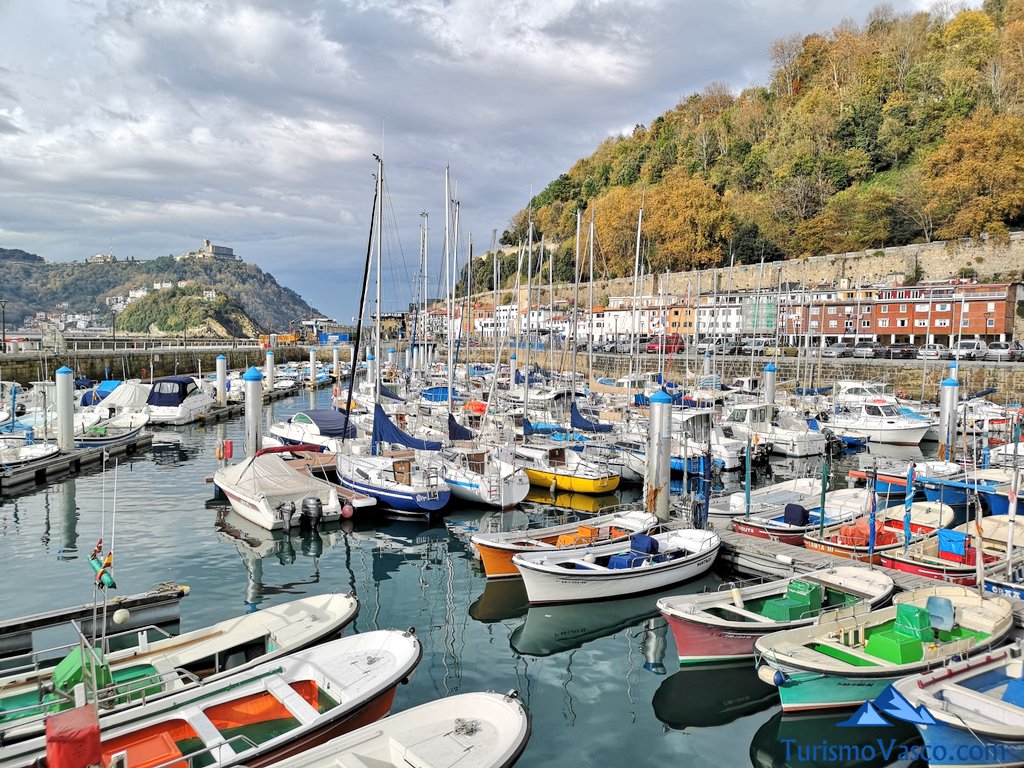
The small and idyllic port of Donostia San Sebastian awaits us on the southern slope of Urgull. A mountain that protects the boats from the strong winds and swells that we suffer in Euskadi. Currently, the port of Donostia is divided into a dock for fishing boats and another for pleasure boats. An authentic space, which still maintains the charm of yesteryear. It is here where we find the boats that make the boat tours of Donostia San Sebastian.
Mount Urgull.
Urgull is one of the 3 mountains that protect Donostia San Sebastian. A space, which is located in the center of the city, between the Old Part, the Paseo Nuevo and the sea. A privileged situation from which we can enjoy the capital of Gipuzkoa from the heights. Mount Urgull has a fortification located on its summit, the castle of La Mota, the defensive bastion of the city. More information in our article “Mount Urgull, the fortress of Donostia San Sebastian“.

4. Mount Igeldo.
Located 181 meters above sea level, this enclave is another of the viewpoints of Donostia San Sebastian, a space from which we propose to enjoy some of the best views of all Gipuzkoa. As if this were not enough, on the slope of this mountain we find the oldest funicular of Euskadi, a transport, which takes us to know the Parque de Atracciones Monte Igueldo, a set of attractions that will transport you to another era. More information in our article “Igueldo, funicular, amusement park and much more“.

5. Wind Comb.
This sculpture popularly known as the Wind Comb, officially Wind Comb XV, is a set of pieces designed by the Basque sculptor Eduardo Chillida. A work of art, which, located at one end of the Bay of La Concha, on the slope of Mount Igueldo, at the end of Ondarreta beach, offers us the opportunity to see how the 3 steel sculptures weighing 10 tons withstand the onslaught of the Bay of Biscay. The esplanade that precedes the sculptures has air outlets, ducts that become water outlets when the waves break against the rocks and sculptures. A space to contemplate and enjoy that was designed by one of the referents of Basque architecture: Luis Peña Ganchegui.

6. Concha Bay.
The Cantabrian Sea draws in Donostia San Sebastian one of the most beautiful figures of our coast, one of the most striking bays in Europe. A coastal enclave that enchants everyone who decides to visit it. Its name makes clear its nature, its shape. And the fact is that this bay, in addition to surprise us with a coastal landscape of the most striking, also has elements of the most diverse as the island of Santa Clara or the mountains of Igueldo and Urgull. It is here, where you will find 2 of the most popular beaches of the capital of Gipuzkoa: Ondarreta and La Concha.

7. Constitution Square.
Located in the Old Town, in the historic center of Donostia San Sebastian, the history and beauty of this square make it one of the great attractions of the city. It is in this space where some of the most important events of the year are held, undoubtedly one of the most important enclaves of the Old Part. We must mention that the main building of the Plaza de la Constitución was until 1947 the town hall of Donostia San Sebastian. In addition, as a curiosity, we must mention that the Plaza de la Constitución was used for years as a bullring, a use that made the balconies that we find today have their own numbering.

8. Miramar Palace.
Miramar, a building from 1883 located in front of the Bay of La Concha, offers another of the city’s viewpoints. A green space of great beauty, which, under the title of Palacio Municipal de Miramar or Palacio Real de Miramar, invites us to see a large part of the famous bay. The history of this palace began in 1888, when Queen Maria Cristina bought the estate known as “Miraconcha”, since then this space has been closely linked to royalty and the upper classes. Since 1972 the Miramar Palace is owned by the City Council of San Sebastian, an entity, which, with the help of the Basque Government and the Provincial Council of Gipuzkoa made possible the rehabilitation of the Palace for public use.

9. Kursaal.
The Congress Palace and Auditorium of Donostia San Sebastian, has an auditorium, a chamber hall and several multipurpose rooms. A great architectural project designed by Rafael Moneo and inaugurated in 1999 next to the Zurriola beach. This space has become one of the most important places to hold events in the capital of Gipuzkoa. An example of this is the San Sebastian Film Festival, where the Kursaal serves as the main venue.

10. Tunnel of the Antiguo.
This tunnel joins the promenade of La Concha with Ondarreta offering to the passer-by the possibility of crossing one of the most beautiful urban walks of our coast. Today, this tunnel that we find under the Miramar Palace is also known as MiramArt, and thanks to the work of the artist Victor Goikoetxea, anyone who walks through this tunnel will have the feeling of entering an underwater cave that lies between land and sea.

11. Paseo Nuevo.
This promenade, together with the promenade of La Concha and Ondarreta, is one of the most demanded routes by the people of San Sebastian. A modern, practical and very nice walk that allows us to enjoy the sea while we know places like the San Telmo Museum, the port, Mount Urgull or the Aquarium. A perfect route for all those people who like to walk and know every corner of the cities they visit. We are sure you will love it.

12. Mount Ulia.
Mount Ulia is the geographical feature that we find between the territorial limits of Donostia San Sebastian and Pasaia. A mountain, on whose slopes we find the neighborhoods of Ulia and Gros. The latter is in full swing, and is currently one of the trendiest neighborhoods of the capital of Gipuzkoa. It is in this mountain where we find the route of the silver lighthouse, an amazing route that besides showing us the beauty of the Basque coast, also brings us closer to the incredible maritime factory of Albaola, one of the most important cultural projects of all Euskal Herria. This mountain has been used by Basque fishermen as a watchtower for whale watching since the Middle Ages.

13. Bretxa Market.
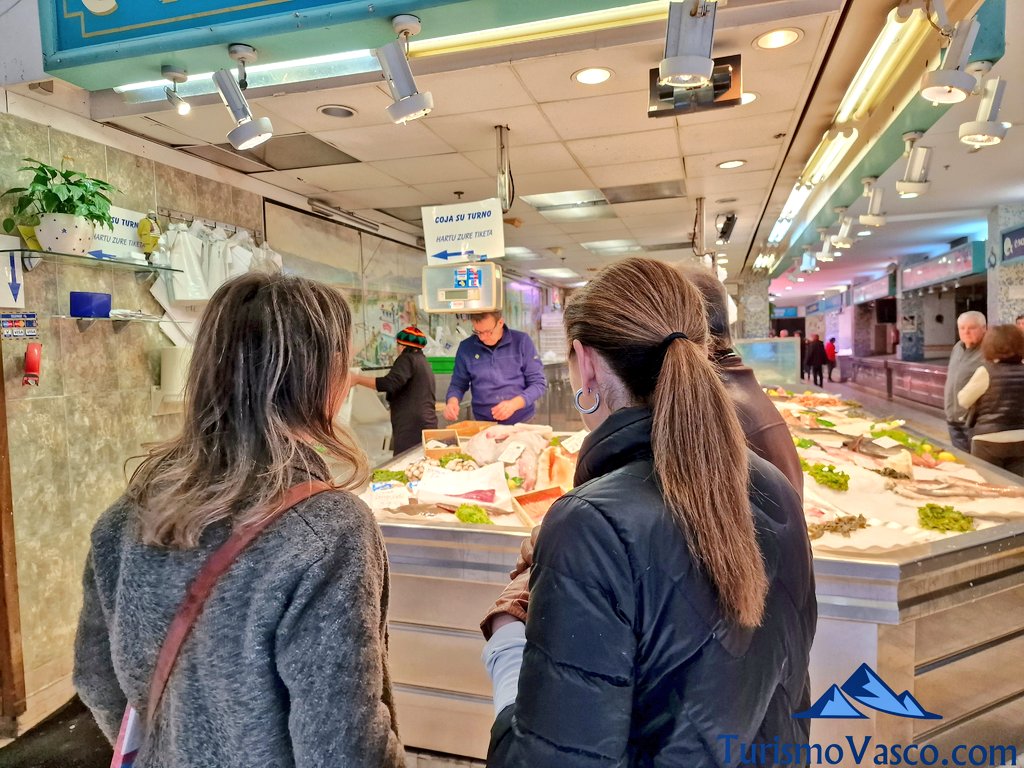
This market represents one of the most important markets in Donostia. Located in the heart of the Old Part, on the first floor of the shopping center “La Bretxa”, in a privileged enclave, more than 50 stalls come to life offering some of the best products of our land. Some of these stalls bring the products of the farmhouses of Gipuzkoa to the center of the capital. The so-called “farmhouse stalls” attract us with cheeses, txakoli, fish, meat and many other typical products of Euskal Herria. A nice gastronomic souvenir to take back home.
14. Eureka Zientzia Museum.
One of the most dynamic and entertaining museums in the Basque Country. Eureka Zientzia Museoa brings science closer to everyone who decides to visit it. A very interesting space that we recommend to both adults and children. The Miramon Technology Park houses this museum located 10 minutes from downtown. A space of great interest that has more than 8,000 square meters with “devices” and “experiments” that encourage us to touch, play and learn.

15. San Telmo Museum.
The San Telmo Museum, San Telmo Museoa in Basque, STM for short, is one of the most representative spaces of Basque culture and history. A space of great value that shows us unpublished pieces to put in value the entity of our town. This museum was founded in 1902, which makes it holder of the honorary title of the oldest museum in Euskadi.

16. Tabakalera.
Tabakalera is one of the most important cultural centers in Donostia. As its name suggests, this space was once a tobacco factory (1913-2003). Today Tabakalera has an extensive cultural program for all audiences. We must emphasize the viewpoint that we find on the top floor, and, although it has nothing to do with the views that can be seen from Igueldo, Urgull or Ulia, it offers a nice perspective of the city.

17. Santa Clara Island.
Santa Clara Island is undoubtedly another of the great attractions of the city. And if we think about it, few cities in the world have an island that can be reached by swimming from the center of the city. As if this were not enough, thanks to the Island’s motorboats, we can reach the island by boat to enjoy its beach, its natural water pool, its lighthouse and its trails. If you want more information, we recommend you to read our article “Santa Clara Island, the island of Donostia San Sebastian“.

18. Victoria Eugenia Theater.
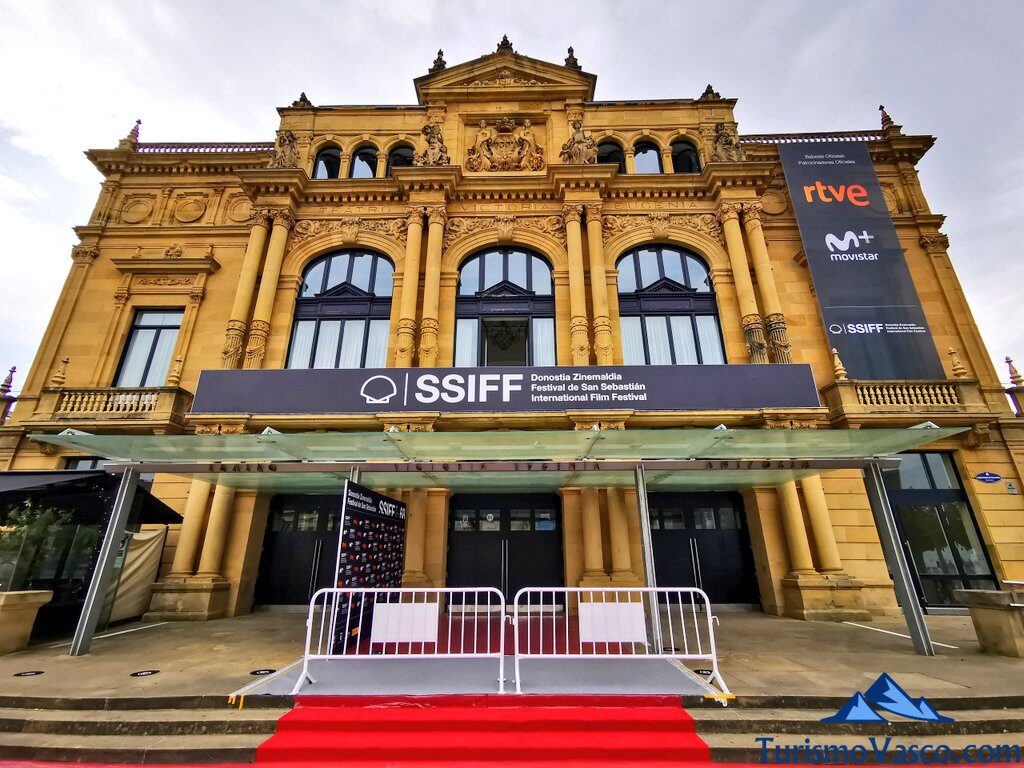
This theater inaugurated in 1912 is the work of the Gipuzkoan architect Francisco de Urcola Lazcanotegui. An architect from San Sebastian who was key not only in the construction of this theater but also in the construction or rehabilitation of buildings such as the Chofre bullring, the Hotel Maria Cristina, the San Telmo Museum and several others. Currently, this theater is one of the most important cultural scenarios of the city, being essential in events as important as the International Film Festival of San Sebastian. During the years 2001 and 2007 the theater was renovated to adapt to the new times.

19. City Hall.
The city hall of Donostia San Sebastian is one of the most emblematic buildings of the city. Located between the Old Part and La Concha Beach, facing the sea, this building built in 1882 was originally the scene of the most glamorous events of the Belle Époque, a time when the aristocracies of half of Europe chose Donostia San Sebastian as a vacation city. As a curiosity we should mention that due to a battle that took place during the Civil War, today it is possible to distinguish bullet holes in its facade.

20. Belle Epoque Carousel.
Located next to the City Hall and the Alderdi Eder gardens, in the middle of La Concha promenade, this peculiar Carrousel offers its services throughout the year. The Carrousel that we find today (replica of the carousel of the year 1900) was installed in 1998 to remember the golden age of Donostia San Sebastian.

Basque Maritime Museum.
This museum located in the port of Donostia San Sebastian shows us since 1991 an important part of the Basque maritime heritage. A theme of great interest, which, through information panels, audiovisuals and objects offers us to know better this aspect of the history of the Basque people. We should mention that the building in which the permanent exhibition is located is one of the most emblematic and important buildings in the city, and is that in addition to escape the flames during the attack by Anglo-Portuguese troops in 1813, has also housed various entities related to the sea as a nautical school, maritime aid or the headquarters of the foreman of docks.

22. Monument to the Tanborrero.
Raimundo Sarriegi Etxebarria, Basque musician and composer, author of the famous and emblematic “March of San Sebastian”, receives the more than deserved recognition with this monument. And it is that, behind the sculpture in which we find the drummer and the lyrics of the March of San Sebastian, we find the bust of this illustrious of the city. By the way, if you like big events you can not miss the tamborrada (January 20), we are sure you will love it.

Maria Cristina Bridge.
This bridge is an icon of the city. The Maria Cristina Bridge has a length of 88 meters in which we can appreciate 3 arches and 3 obelisks located at both ends. A beauty, that, located on the Urumea river communicates the center of the city with the district of Egia. We must remember that this bridge was built in reinforced concrete, a revolution for the time in which it was inaugurated (1905). As a curiosity, the first building of this type constructed in the peninsula was the Ceres Factory in Bilbao in 1900.

24. Zurriola Bridge.
Another of the iconic bridges of San Sebastian. In this case, the bridge that we find next to the Kursaal is practically at the mouth of the Urumea River. A structure, which draws attention due to its famous and emblematic Art Deco style lampposts designed by Victor Arana.

25. Urumea River.
This river, also known as the river of cider, runs through the city from the interior to the coast offering the visitor a nice walk to go along. We must highlight that the Urumea witnesses year after year the event known as “Sagardo Apurua“, a festivity in which cider, one of the emblematic drinks of Euskal Herria, is transferred by boat to the capital from Astigarraga, the mecca of Basque cider.

26. Post Office Building.
Next to the emblematic Cathedral of the Good Shepherd we find the former School of Arts and Crafts of Donostia San Sebastian. A structure that, together with the Koldo Mitxelena Cultural Center (1994) offers us one of the most striking complexes of the nineteenth century. The current post office building was the headquarters of the school until 1959, when the construction of a new Arts and Crafts building was completed. It was in the 1960s when, after an interior renovation, this building became the central offices of the Post Office.

27. Aquarium.
Although the aquarium of Donostia San Sebastian has undergone several reforms throughout its history, we must point out that its origin dates back to 1928. Therefore, we can affirm that we are in front of one of the oldest aquariums of all the peninsula and the oldest of Euskadi. Currently, the museum has different themes distributed on different floors, but undoubtedly, the spectacular tank of 1,800,000 liters of water and the 360-degree tunnel are the most demanded spaces by its visitors.

28. Empty Construction.
This sculpture installed in the Paseo Nuevo of Donostia San Sebastian is the work of the great Basque artist Jorge Oteiza. A sculptor whose works of art are present throughout the length and breadth of our territory. An example of this is the Sanctuary of Arantzazu, where we can appreciate the apostles designed by Oteiza on the main facade of the temple. The work that concerns us today, “Empty Construction”, Eraikuntza Hutsa in Basque, was awarded a prize at the Sao Pao Paulo Biennial in 1957.

29. Overhang of La Concha.
This cantilever represents a shelter under the Paseo de La Concha, a space that many people who visit Donostia San Sebastian overlook. A blunder. On sunny winter days, when the Paseo de la Concha is literally crowded, strolling along the cantilever, at sea level, is a real pleasure.

30. Ondarreta Beach.
Ondarreta beach is perhaps the most youthful and informal of all the beaches found on the coast of Donostia San Sebastian. A beach whose backdrop is formed by the low houses that make up the Antiguo neighborhood. A quiet beach and great atmosphere, which, located in the Bay of La Concha invites us to cool off and enjoy the sport on hot summer days. We recommend that you walk along the promenade that borders Ondarreta, and is that, regardless of the time of year in which we are worth enjoying this incredible place. Remember that the Peine del Viento, one of the most famous and important sculptures of Donostia is located on one of the sides of this sandy area, a luxury opportunity to know these two Basque attractions.

31. Beach of La Concha.
La Concha Beach, one of the most international beaches in the Basque Country and a hallmark of the city of Donostia San Sebastian, welcomes us in the heart of the city. It is here, from where we have the possibility of enjoying an incredible view of the bay of the same name. Undoubtedly, this is one of the most popular beaches in the Basque Country.

32. Zurriola Beach.
The beach in the Gros district invites us to enjoy some of the most popular water sports practiced on the Basque coast. Among all of them, it is worth mentioning surfing, the most practiced water sport in the Basque Country. The Zurriola invites us to surf the waters of Donostia under the watchful eye of the Kursaal and Mount Ulia. Currently the Zurriola beach has right and left waves of great quality that we encourage you to enjoy. Are you up for it?

33. Cathedral of the Good Shepherd.
The Cathedral of the Good Shepherd represents one of the most important religious buildings in the capital of Gipuzkoa. It is, in fact, the largest building of its kind in all of Gipuzkoa. The construction of this neo-Gothic style structure took place during the end of the 19th century. We must indicate that since 1953 this building has the title of cathedral.

What to see in Donostia San Sebastian in 1 day.
If you only have 1 day to see Donostia San Sebastian, if you do not have enough time to enjoy this beautiful city, we recommend that you make a quick but complete tour of the old part, the port and Mount Urgull. 3 spaces, which, located in the center of the city allow us to enjoy some of its virtues without wasting a lot of time in displacements. If you take this route, you will have the opportunity to walk along the City Hall, the port, the Basque Maritime Museum, the Aquarium, the San Telmo Museum or the Castillo de la Mota among others.

A nice walk, which, if you have another day, could be extended by visiting the beaches of Donostia San Sebastian or climbing Mount Igueldo. In case the spaces mentioned above are not enough for you, you can complete the visit with important spaces such as the Kursaal, Tabakalera or the Victoria Eugenia Theater. What do you think of our recommendation? It doesn’t look bad, does it? And if you have time to spare, remember that as important as knowing the most important places in Donostia San Sebastian is to enjoy the views and the peace that offers us sitting in front of the sea. It’s time to relax with the sound of the coming and going of the waves, it’s time to enjoy life to the fullest.

What to see near Donostia San Sebastian.
Donostia San Sebastian is surrounded by small towns that have a great cultural, historical and natural heritage. Some urban centers, which we strongly recommend you to visit. We have created a small list with some of the most important places to see near Donostia San Sebastian. A text, with which we try to help those people who want to spend long stays in the capital of Gipuzkoa and surroundings.

Pasaia:
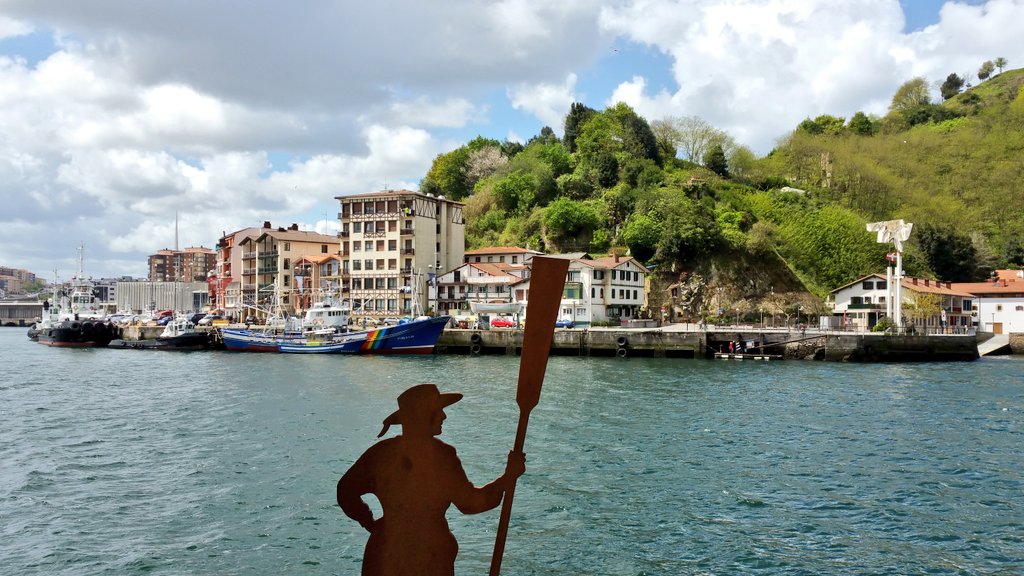
Hondarribia:

Iparralde, French Basque Country:

Geoparkea:

Errenteria:

Route of the silver lighthouse:

Albaola:

Igartubeiti:

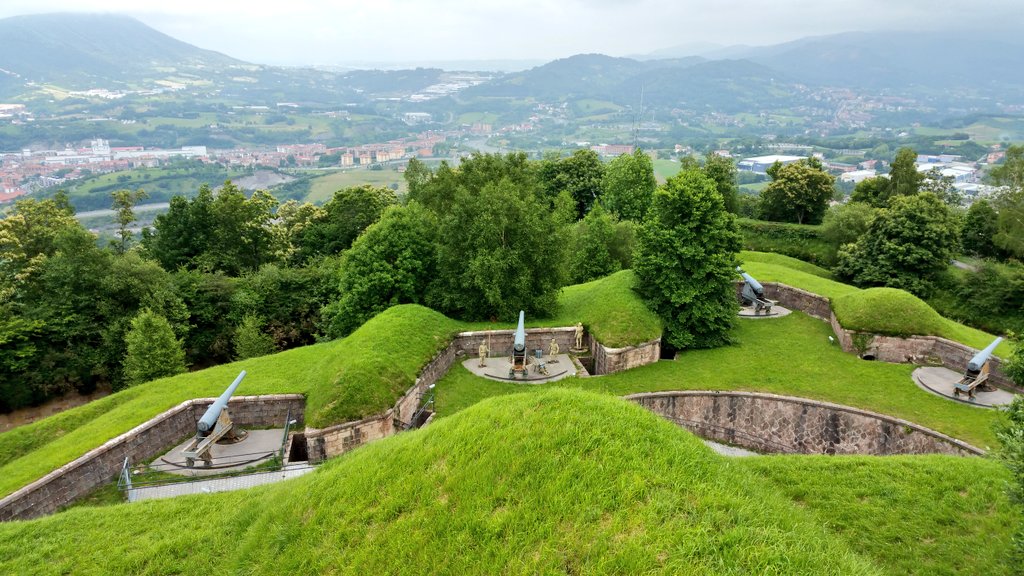
Fort San Marcos:
Sanctuary of Arantzazu:

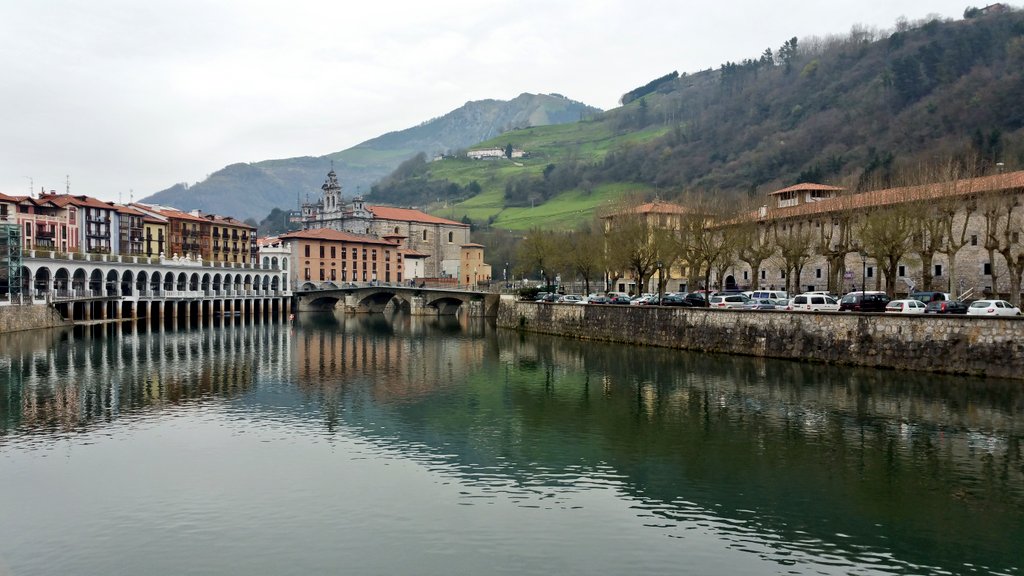
Tolosa:
Aquarium of Biarritz:

San Juan de Gaztelugatxe:

Bilbao:

Vitoria Gasteiz:

What to do in Donostia San Sebastian.
Donostia San Sebastian is a very complete city in terms of events and leisure. An urban center, in which we can enjoy the Basque culture while we make routes both by sea and by land. Thus, Donostia offers visitors a wide range of experiences to perform. Here are some of the most outstanding ones.

Route of the viewpointsThe route of the viewpoints surprises us with some of the best views of the whole city. That is why we strongly recommend you to visit the viewpoints of Donostia San Sebastian. Natural watchtowers, which surprise us with luxurious views in the most charismatic places. Some of these scenarios served in the past as viewpoints from where whales were sighted for our fishermen, a fact that makes them even more special if possible.

Beaches of Donostia San SebastianThe beaches of the capital of Gipuzkoa are another of its great attractions. We must remember that in the center we can find up to 3 beaches: Ondarreta, La Concha and Zurriola. Not to mention the beach on the island of Santa Clara. A fact that makes this Basque city a favorite during the summer season. Recommended reading: Beaches of Donostia San Sebastián.

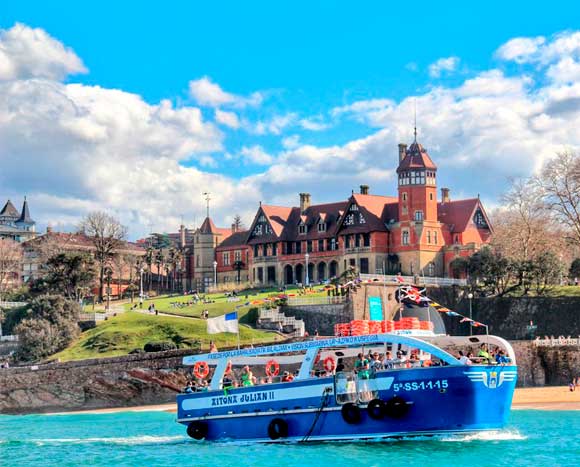
Boat trip in the Concha BayLas Motoras de la Isla provide us with the perfect transport to move from the port of Donostia to the island of Santa Clara. A maritime route of 25 minutes of duration that offers us the possibility of knowing the Bay of La Concha from a totally different perspective. If this route that we have proposed does not catch your attention, you should know that this Basque company also offers other routes that add the charm of sailing in a boat with underwater view of the bay itself. Interesting, isn’t it? We recommend you to book your tickets in advance from here. Fast, comfortable and at the best price.

Bicycle rental: The bicycle is the best way to get to know the city from the ground. A sustainable, practical and cheap transport that allows us to know every corner of this beautiful European city quickly and comfortably. Recommended reading: Bicycle rental in Donostia San Sebastian.

SagardotegiakSagardotegiak: During the cider season (January – May) it is possible to enjoy our beloved cider houses, sagardotegiak in Basque. Some spaces, in which in addition to enjoying a good menu, you can also enjoy the Basque culture and history through the different guided tours that some of them propose.

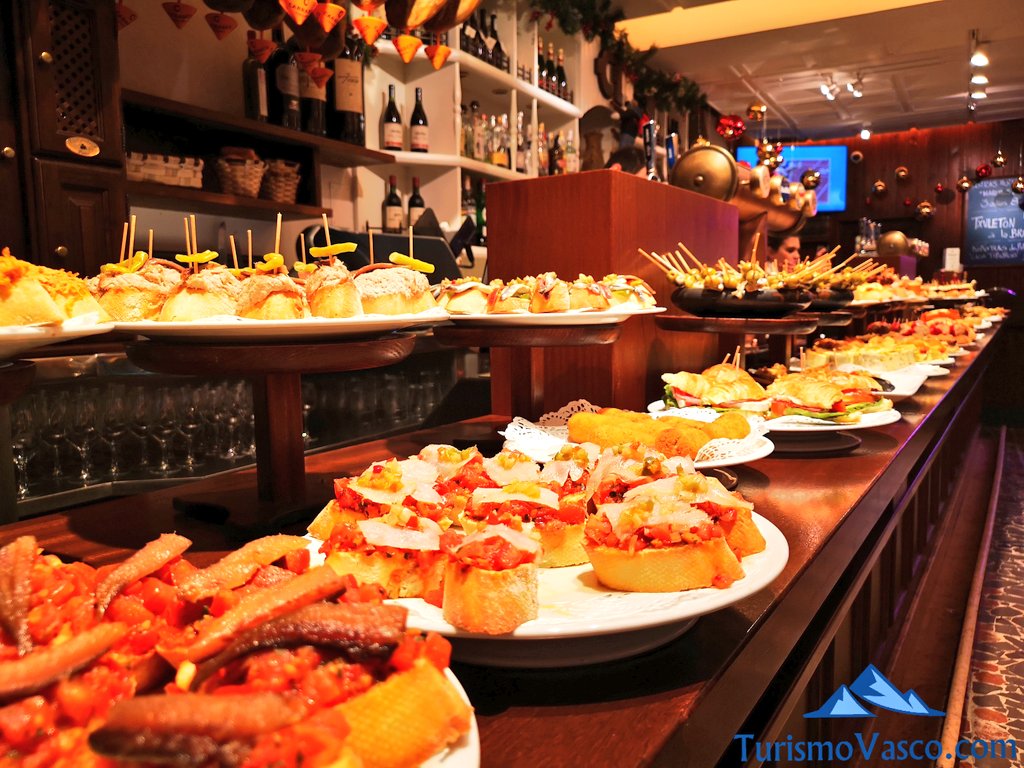
Pintxos routePintxos, a typical delicacy of Euskal Herria, offer us the possibility to taste some of the best culinary creations of Basque chefs. We recommend that you go to any bar that catches your attention and enjoy the impressive pintxo bars that we have in the Basque Country. Just remember that although the Parte Vieja has some of the most eye-catching bars, they are also some of the most expensive.
Route along the coast of Donostia-San SebastiánStrolling along the coast of Donostia from Igueldo to Ulia is a privilege. And is that, besides touring all the beaches of the capital of Gipuzkoa, we are fortunate to be able to walk in front of such emblematic places as the port, Mount Urgull, the town hall, the Wind Comb and many others. Undoubtedly one of the most beautiful coastal and urban routes in the north. If you want more information about this route, we recommend reading the article Walk along the coast of Donostia San Sebastian.

Silver Lighthouse RouteThe Silver Lighthouse Route joins Donostia San Sebastian and Pasaia through an incredible walk along the Basque coast. A family adventure that we recommend you to do if you have time to enjoy Albaola and the gastronomy of Pasaia. And this route is nothing if after this tour we do not visit one of the most important cultural projects of Euskadi and if we do not eat something in our beloved Pasai Donibane. A luxury plan.

Climbing IgeldoClimbing Igeldo is an adventure. Whether on the oldest funicular railway in the Basque Country, on foot or by car, this Basque mountain has more than one surprise in store for us. That is why we published the article “Igeldo, funicular, amusement park and much more“. We hope you like our recommendations.

San Sebastian Film FestivalThe San Sebastian International Film Festival is one of the most important events of the year in the capital of Gipuzkoa. A festival through which some of the best actors and actresses in the history of cinema have paraded. It is for this reason that September can be a great month to visit this city, especially for lovers of the seventh art. Are you up for it?
The PearlThe waters of Donostia San Sebastian have been famous since ancient times. This is how we find La Perla spa, a complex located in the middle of La Concha beach, which invites us to enjoy a relaxing and inspiring thermal circuit. Are you up for it?

SurfSurfing, the most practiced water sport in the Basque Country, finds a great representative on the beaches of San Sebastian: the Zurriola beach. This Basque sandy beach attracts thousands of surfers to the capital of Gipuzkoa. It is precisely for this reason that it is common to find surfers with the surfboard in the center of the city, especially in the neighborhood of Gros, where surfing is a way of life.

Where to sleep in Donostia San Sebastian.
If you are looking for a hotel, hostel, guesthouse or accommodation with good value for money in the capital of Gipuzkoa, we recommend reading our article on what for us are some of the best accommodations in Donostia San Sebastian. And is that in terms of value for money, it is difficult to find better options.

We hope this article about what to see in Donostia San Sebastian will help you plan your trip to this amazing city. If you have any questions, we encourage you to use the comment system below these lines to let us know. We will try to respond as soon as possible. Ondo pass!


0 Comments