




Table of Contents
Azpeitia, what to see and do in the town where Saint Ignatius of Loyola was born.
Azpeitia, one of the municipalities of the Middle Urola region, is one of the best known towns in the Basque Country. The fact that it is home to one of the most important sanctuaries in our territory, the sanctuary of Loiola, has made Azpeitia one of the most important religious, architectural and cultural destinations in the Basque Country. The Izarraitz mountain range protects the town of Azpeitia while offering a backdrop of film. A picture that you will immortalize with your photographs on more than one occasion. In this article we recommend you some of the most emblematic places of this Basque town such as the Basque Railway Museum, the Tower House of the Loiola family, the sanctuary of Loiola, the Church of San Sebastian de Soreasu or the tower house of Enparan. These are just some of the places we recommend, if you want to know what to see in Azpeitia, we encourage you to read carefully each of the sections we mention. Attention!

This town located in the heart of the historical territory of Gipuzkoa, has 3 museums and more than 7 historical buildings. A fact that makes Azpeitia has a very attractive tourist offer. Spaces, to which is added the Ignatian Way or the infinite hiking trails in the middle of nature.

What to see in Azpeitia.
If you want to know what to see in Azpeitia we recommend you to read carefully each of the places we recommend in this section. We are sure that they will be of great help to plan your trip to Azpeitia.

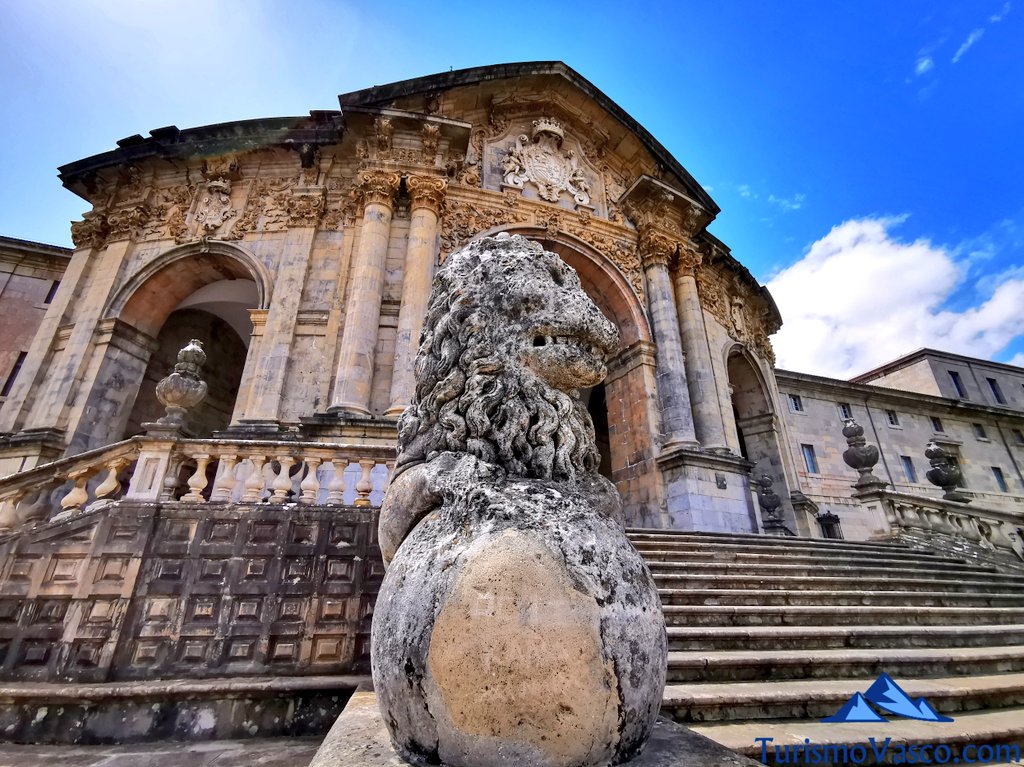
Sanctuary of Loiola: This architectural and religious complex is located 1.8 km from the historic center of Azpeitia. A space of great beauty that is a must to visit during any trip to the interior of Gipuzkoa. It is here, where we will find the tower house of the Loiola family, the home of San Ignacio de Loiola. This religious structure was designed in 1682 by architect Carlo Fontana by order of Queen Mariana of Austria. Construction began in 1688 and it was inaugurated in 1738. We must take into account the tools that were available at that time to build a dome that exceeds 65 meters in height. More information: Guided tours in the Sanctuary of Loyola.

Birthplace of St. Ignatius: As we have already indicated, inside the walls of the sanctuary is the home of the most international Basque of that time, St. Ignatius of Loyola. According to experts, the origins of this building date back to the 14th century, when Beltran Yanez de Loiola ordered the construction of this building. In 1456 the grandfather of Saint Ignatius, Juan Perez de Loiola was banished from Azpeitia and the tower house was demolished, thus losing its military function. In 1461 the tower was rebuilt but it had nothing to do with the original one. This time it was built with brick and its height was much lower than the original. Remember that the birthplace of St. Ignatius can also be visited.

Convent and hermitage of Our Lady of Olatz: From the road that connects the Sanctuary of Loiola with the center of Azpeitia we appreciate the impressive convent of Our Lady of Olatz, a striking space, which hides one of the jewels of Azpeitia, the hermitage of Olatz. This 13th century building has a close relationship with the Loiola family, to such an extent that they were patrons of the hermitage for some time. In its interior we find the carving of Our Lady of Olatz. The jewel in the crown.

Town Hall: The current town hall of Azpeitia was built in 1711 to house the Augustinian convent of Azpeitia, which was active until 1840. In 1842 the state transferred the building to the town hall by means of the now famous Disentailment of Mendizabal. Today you can still see the old town hall of Azpeitia.

Casa Altuna: This structure was built in the 16th century by one of the most important families of Azpeitia, the Altuna family. As you can see in the picture it is a building built with stone and brick, being one of the many structures with Mudejar design in the area.

Casa Basozabal: This house has the title of the oldest civil building in Azpeitia. Hence, its nickname, Etxe zahar, old house in Basque. According to experts, this house in the historic center of Azpeitia was built between the fourteenth and fifteenth centuries. It is a palace with unusual characteristics. Spaces such as its inner courtyard and its upper galleries make us travel back in time to another era.

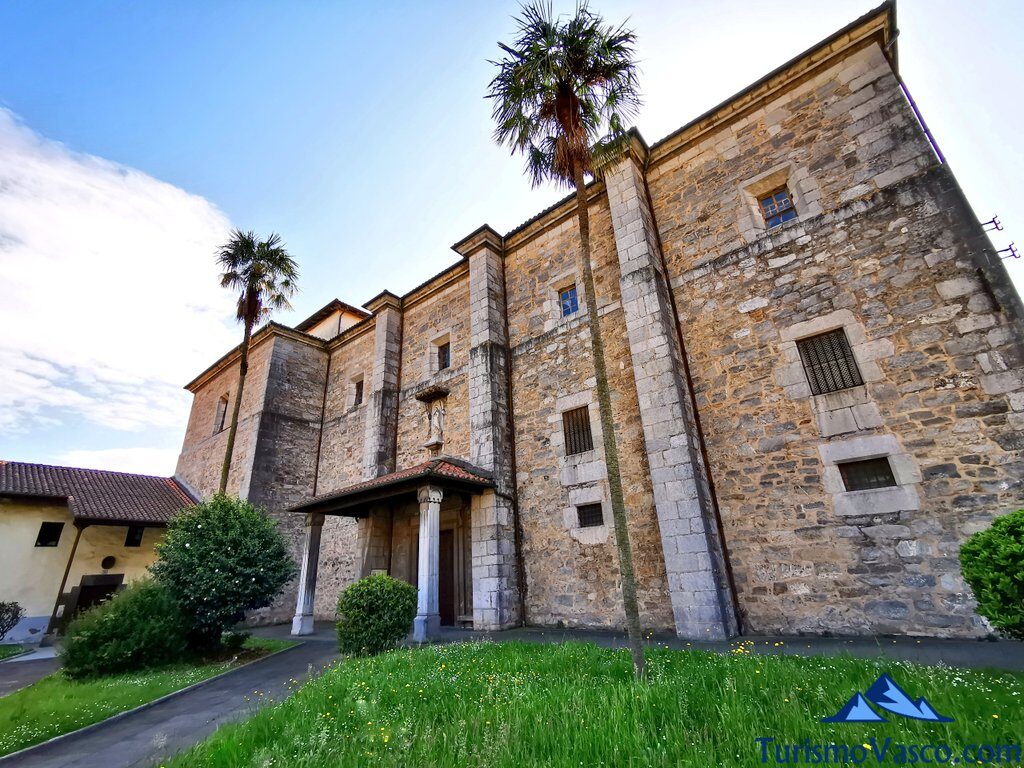
Church of San Sebastian de Soreasu: Undoubtedly one of the most striking buildings in Azpeitia. According to experts, this Basque temple is of Templar origin, although during its history it has been completely renovated. This church is striking for its 8 chapels, its huge altarpiece and the font where San Ignacio de Loiola was baptized.

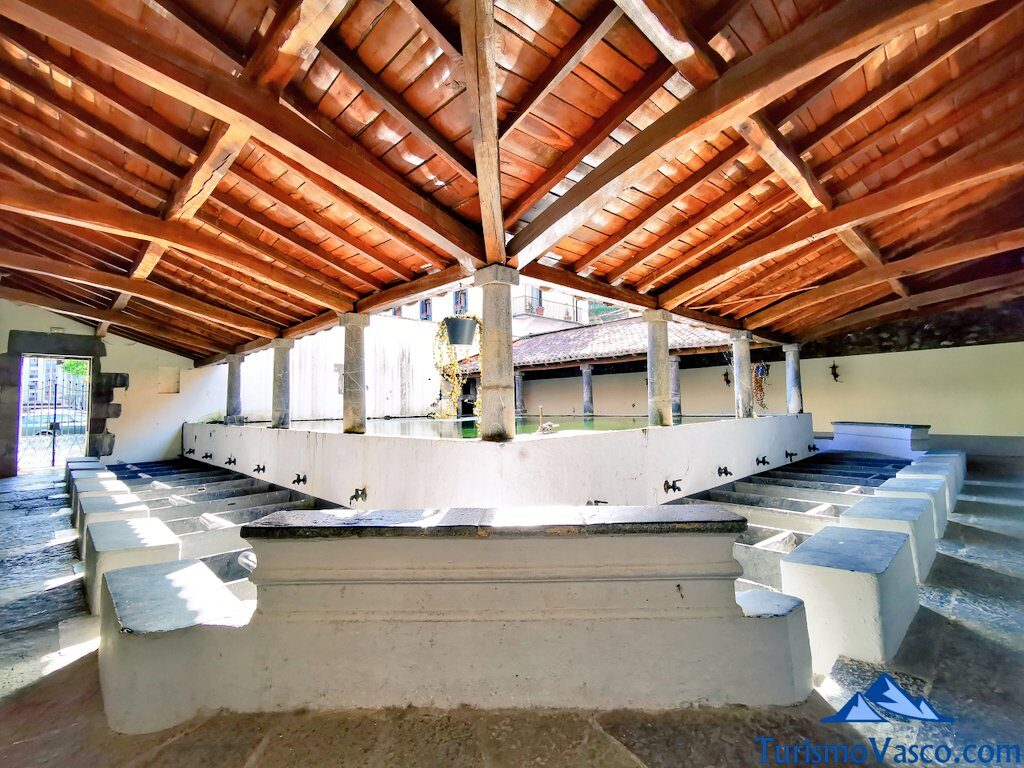
Old municipal laundry: Located next to the church of San Sebastián de Soreasu, this laundry was built on the remains of the wall of Azpeitia. Built in 1842 at the express wish of Jose Javier Olazabal, this laundry has 20 pools and a central pool. The washhouse is completely enclosed on all sides.
Palacio Antxieta: Another building with a typical Mudejar structure. Both stone and brick are present again, to give life to the main facade, undoubtedly the most representative element of this Basque palace. This building was built in the 16th century by Juan de Antxieta.

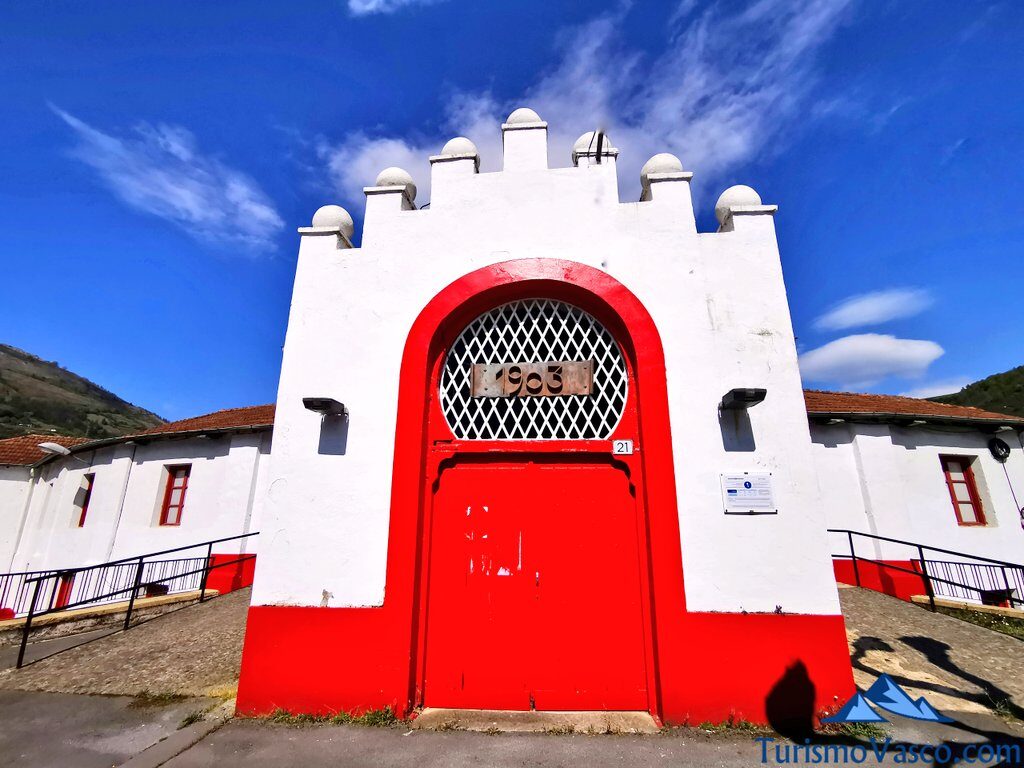
Bullring: Azpeitia has a great tradition of bullfighting. So much so, that this Basque town is known for religion and bullfighting in many parts of the world. This bullring was inaugurated in 1903 and replaced the old one of 1885. It has a capacity of 4,000 people. Nowadays, this bullring is well known for hosting some of the most important rural sports championships in the Basque Country.
Tower house of Enparan: This tower house of Azpeitia was built in 1320 by one of the most important families of the town. Originally this tower house only had its central body and it was not until 1750 when they decided to add the 2 structures that we find on both sides.

Railroad Museum: The railroad museum is the most important museum in Azpeitia. It is also the most visited. No wonder. Its collection of more than 60 trains makes it one of the most important railroad museums in Europe. To these vehicles we must add the incredible collection of objects related to this sector as watches or clothes. The museum is located in the old Urola train station, a line that linked Zumaia and Zumarraga and is currently in disuse.

These are just some of the most important places in Azpeitia, if you want to know in detail this Basque town we recommend you to visit other places such as the Ingurugiro Etxea Museum or the hospital and hermitage of the Magdalena.
Video of Azpeitia.
As usual we have complemented the words and pictures about Azpeitia with a short audiovisual. In case you like this video about what to see in Azpeitia, we recommend you to subscribe to our YouTube channel to discover all the places and experiences we recommend in the Basque Country.
What to see near Azpeitia.
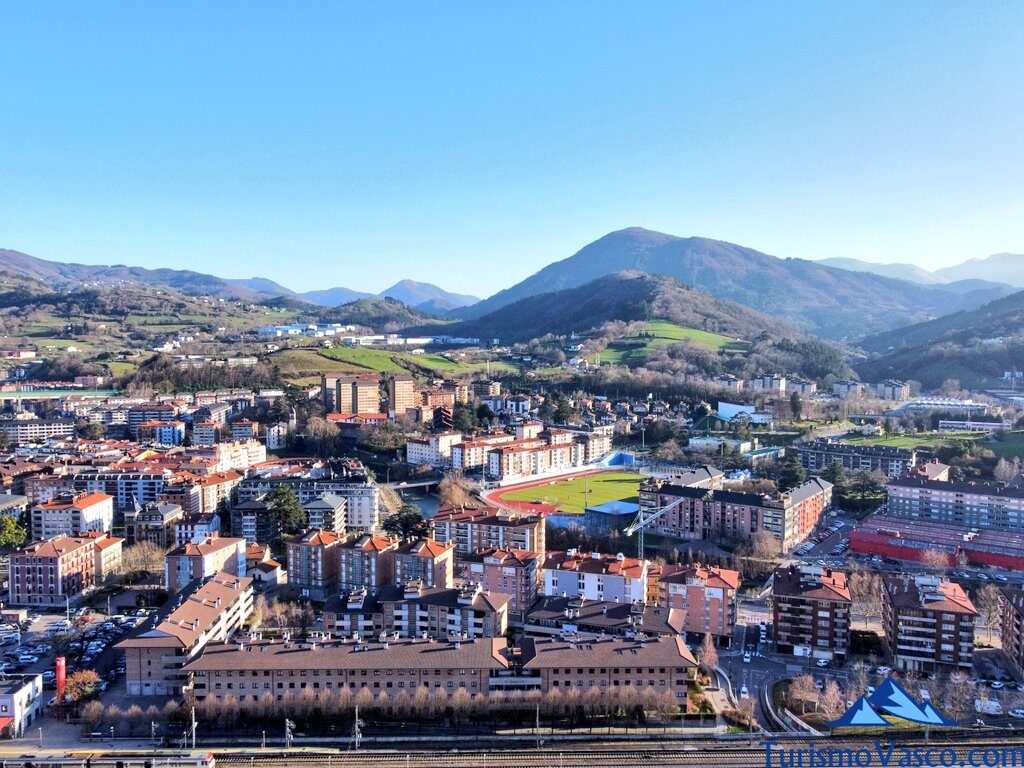
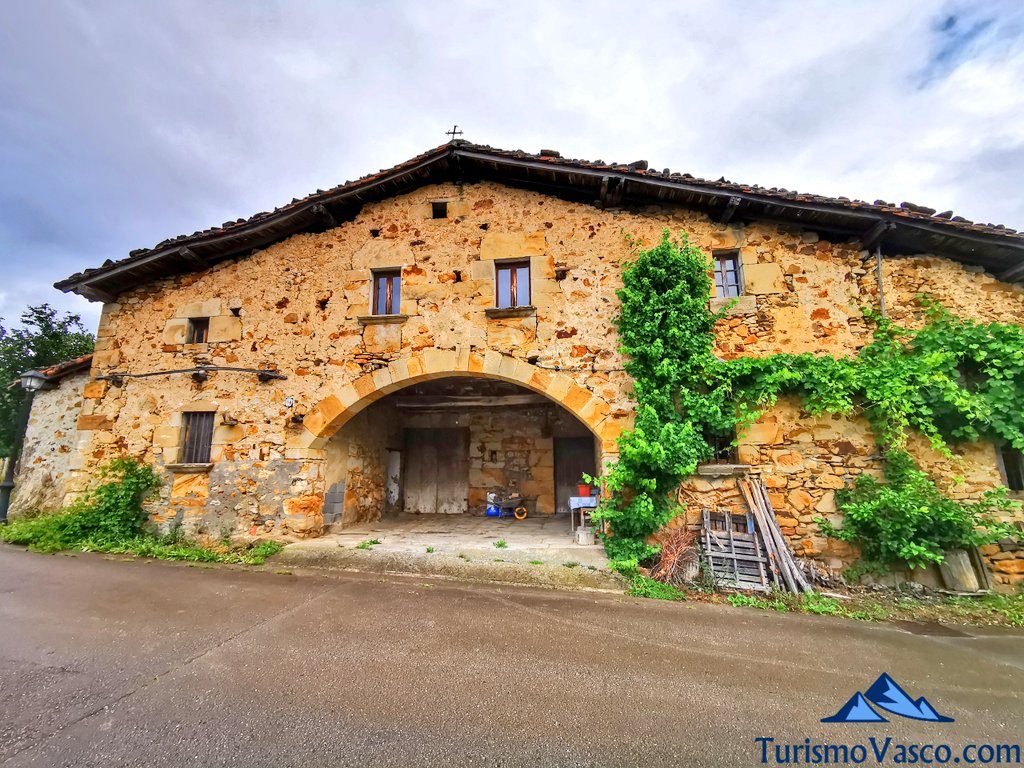
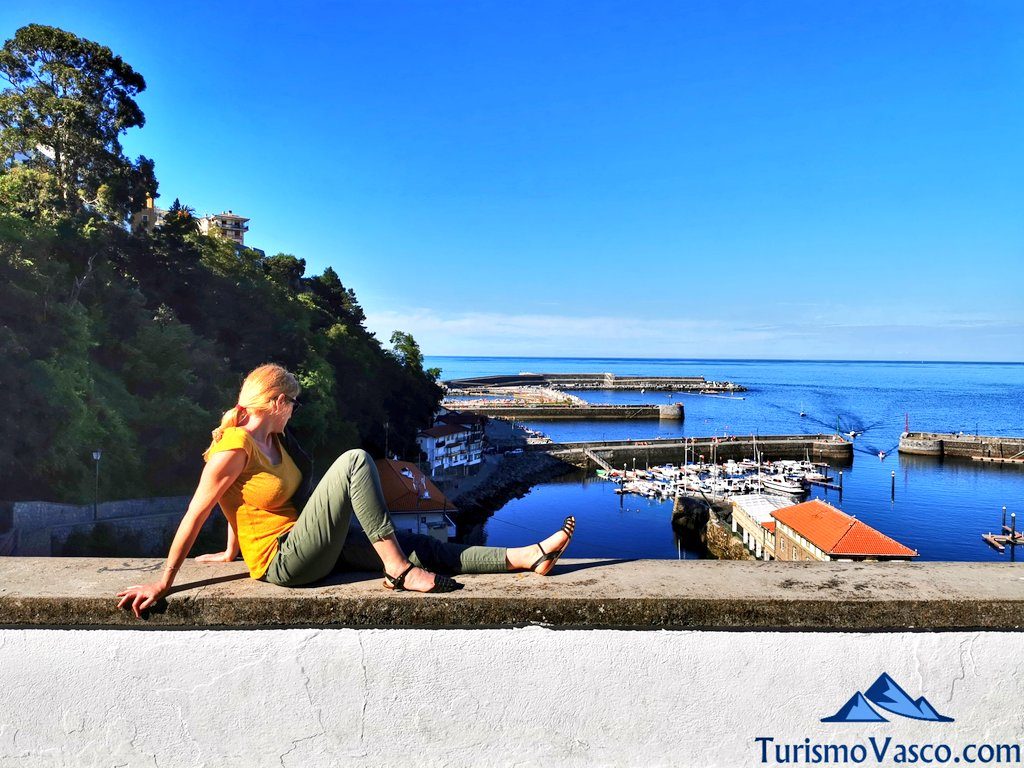
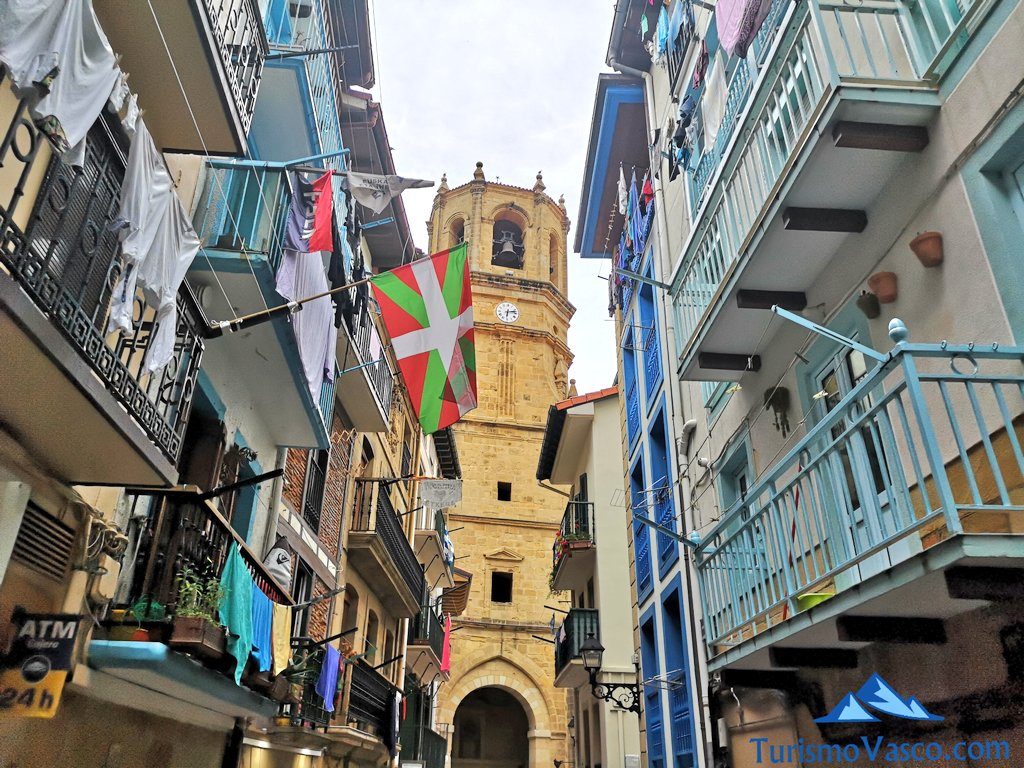
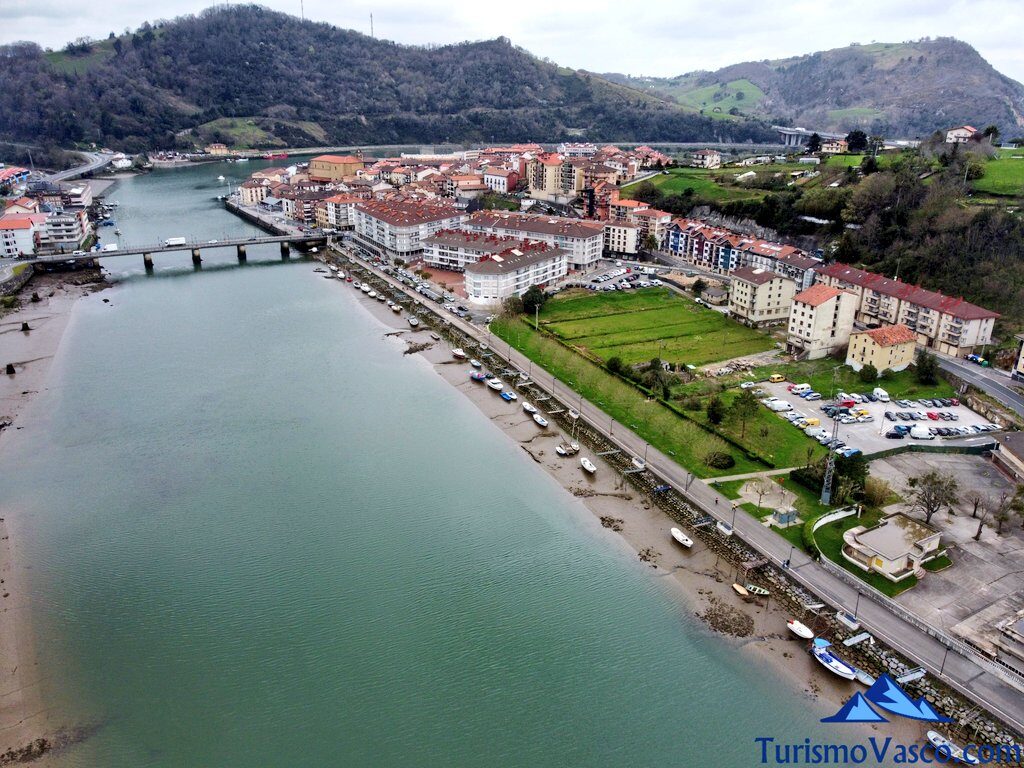
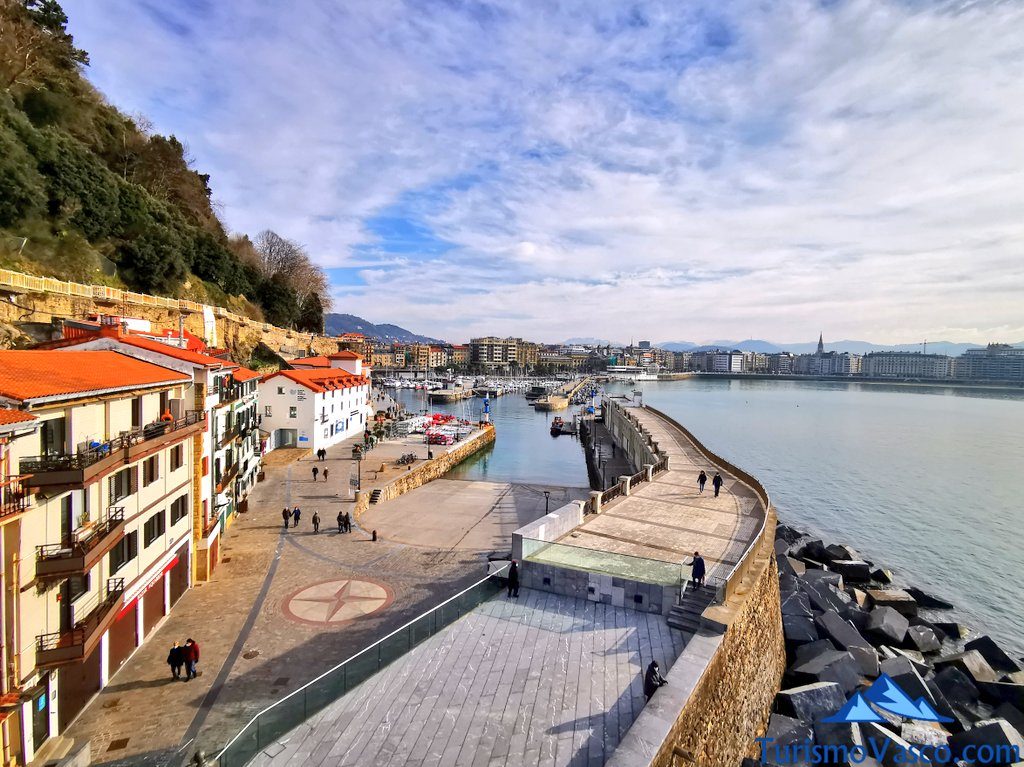
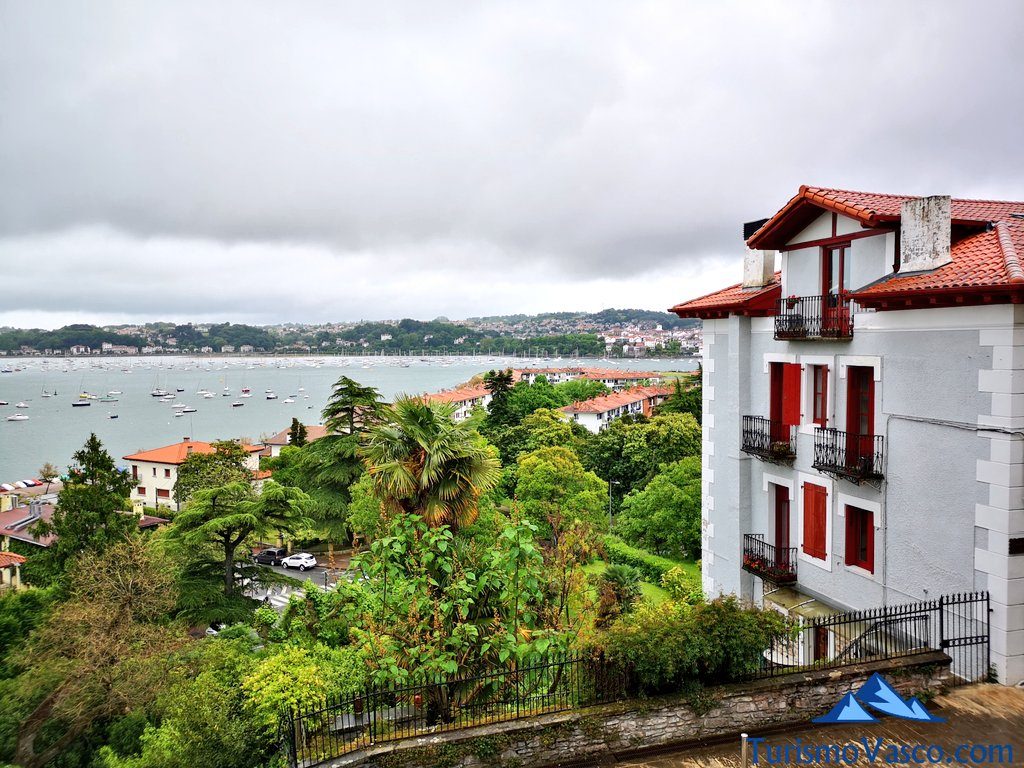
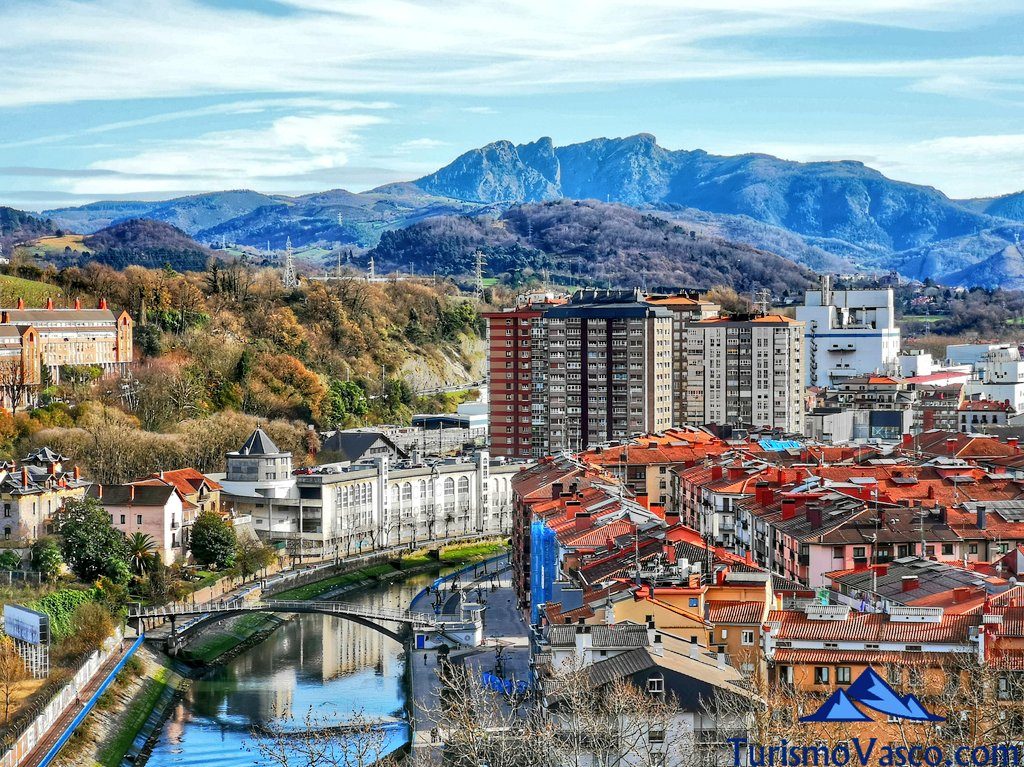
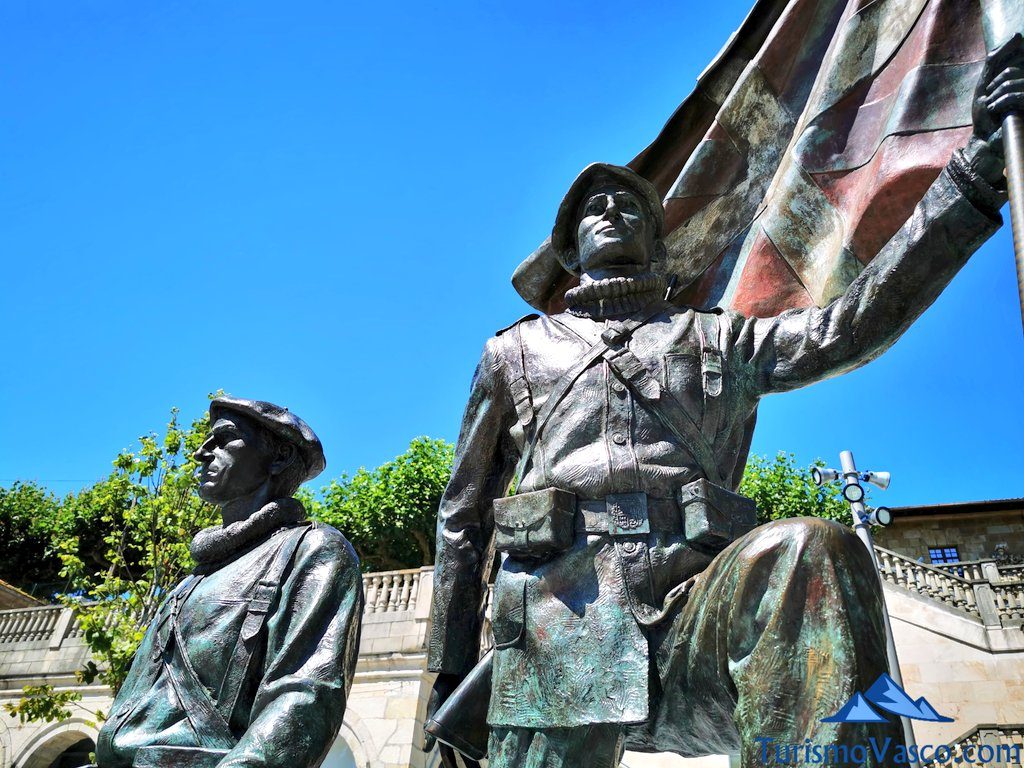
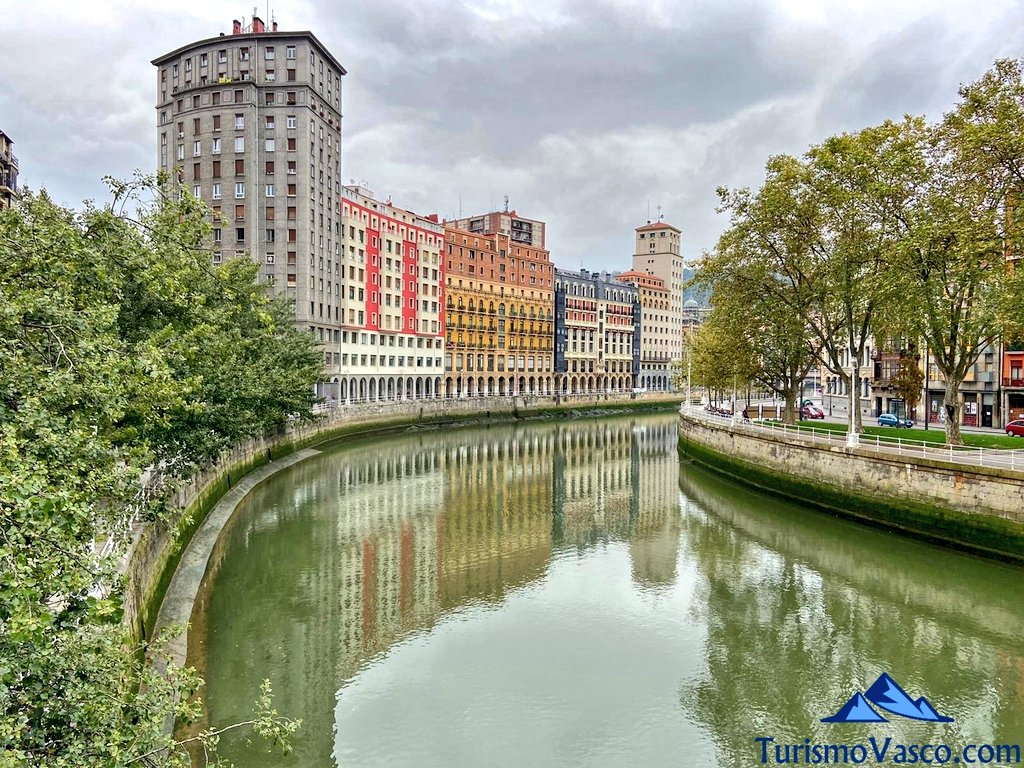
The villages, towns and natural areas surrounding Azpeitia offer a wide range of places to see near Azpeitia. A great option to complete any trip to Azpeitia.












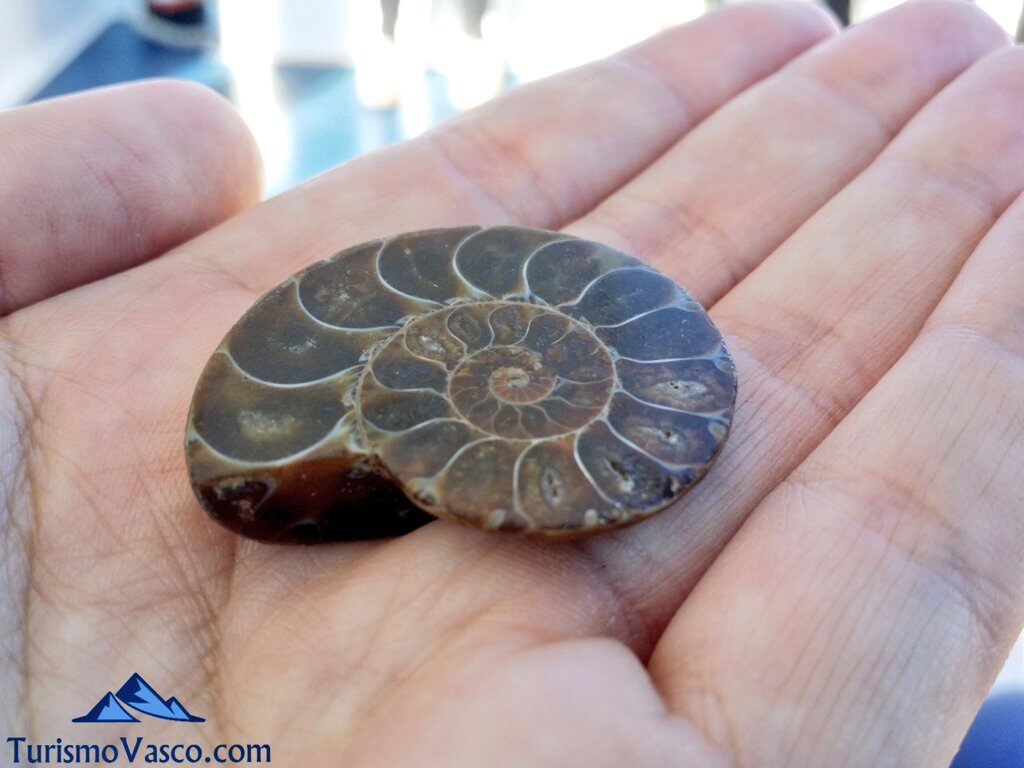
What to do near Azpeitia.
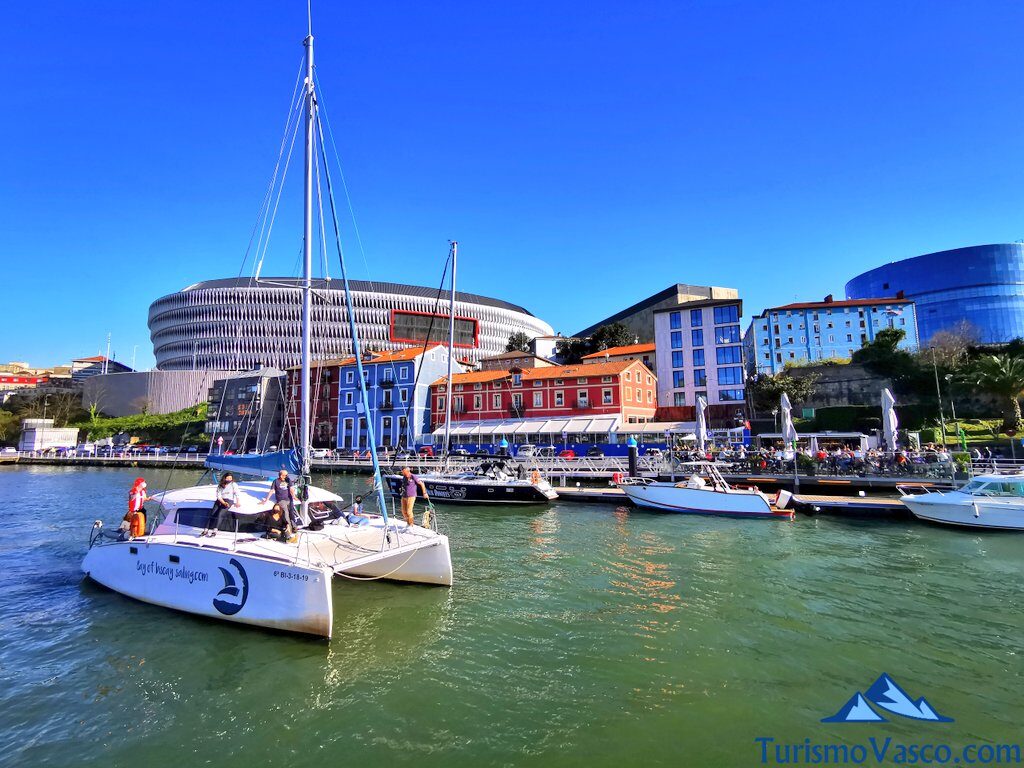
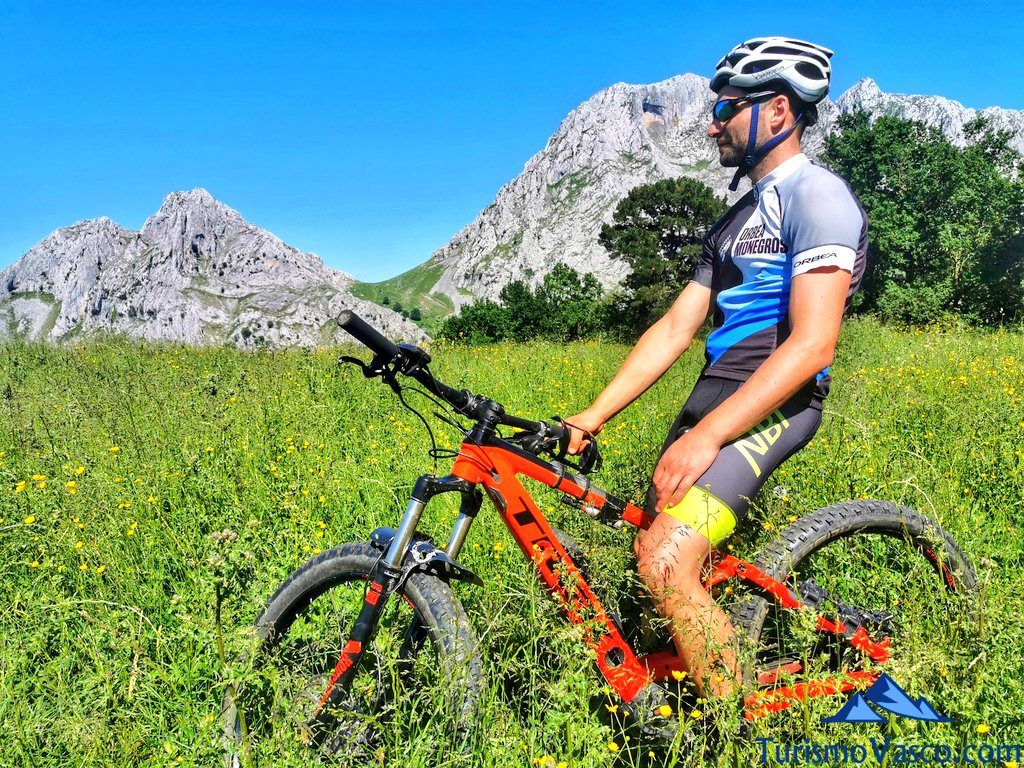
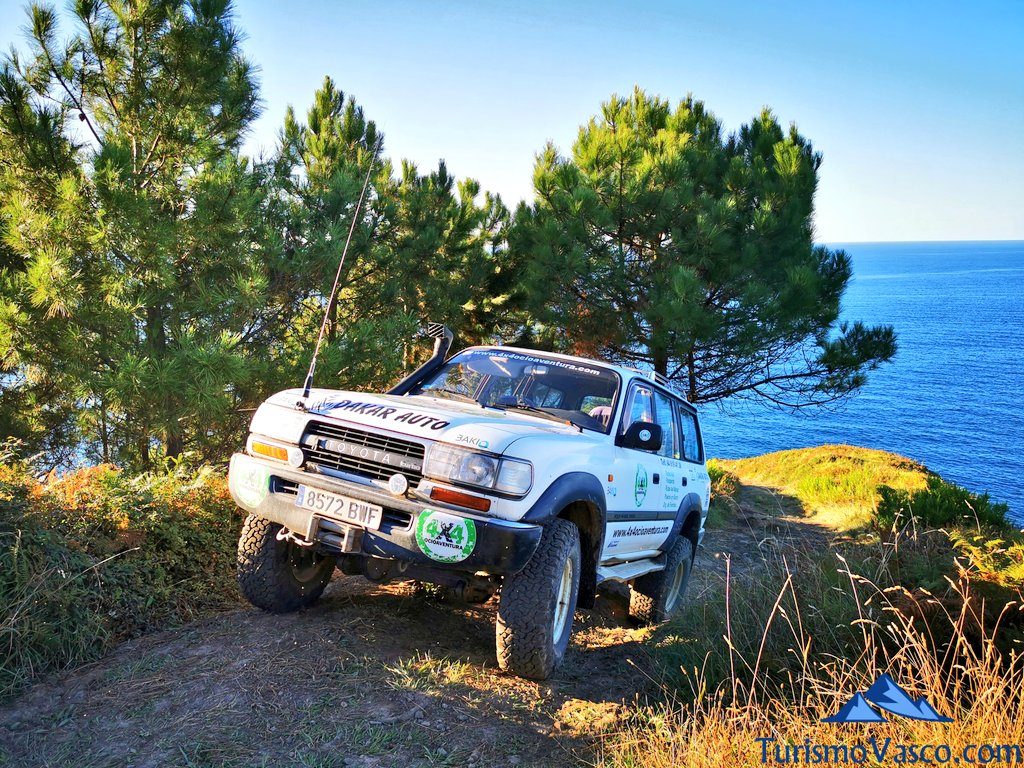
In Gipuzkoa, Araba and Bizkaia we have a great collection of experiences. An attractive list of activities, which we recommend you to take a look at during your trip to Euskadi. And we are sure that in our reservation center you will find more than one plan that complements the visit to such beautiful villages as Azpeitia.






History of Azpeitia.
The different archaeological sites make clear the existence of human settlements in Azpeitia since ancient times. Even so, the town of Azpeitia was not founded until 1310. At that time the King of Castile, Ferdinand IV, gave it privileges under the name of Garmendia de Iraurgui. This name changed over the years, so Azpeitia was also known as Salvatierra de Iraurgui (1311) and Ayzpeitia (1397). Although the town also came to be called Urazveitia. Between the XIII and XIV centuries Azpeitia suffered from the flag fights between Oñacinos and Ganboinos. As in previous centuries, in the 16th century Azpeitia and all of Gipuzkoa in general was plunged into a crisis that would recover during the 16th and 17th centuries thanks to the rise of the ironworks. Nowadays, the metal industry companies have taken over from the forges, creating a very solid sector.
How to get to Azpeitia.
If you are looking for the easiest way to get to Azpeitia, we recommend that you pay special interest to this section. Either by public or private transport, we are going to show you some of the fastest and most practical ways to get to Azpeitia. Remember that Azpeitia is located 72 kilometers from Bilbao, 44 kilometers from Donostia San Sebastian and 74 kilometers from Vitoria Gasteiz, which places this town in the heart of Euskadi.
- Public transport: To arrive by public transport from the towns surrounding Azpeitia, we recommend using the Euskotren and La Guipuzcoana (Lurraldebus) buses. A good option to arrive from Zumaia, Ermua, Donostia San Sebastian, Azkoitia, Zarautz or Tolosa among others.
- Private transport: If we opt for private transport the best option is to use the AP8 both from Bilbao and from Donostia San Sebastian and turn off at the exit to Azkoitia, Azpeitia.

As you have seen Azpeitia is one of the most striking destinations in the interior of Gipuzkoa. We hope this article about what to see in Azpeitia will help you plan your trip to this corner of Euskadi. In case you have any questions or suggestions, we recommend you to use the comments system that you will find below these lines to send them to us. We will try to respond as soon as possible. Ondo pasa!


0 Comments