




Table of Contents
Discover what to see and do in Lanciego through the guided tour of the Arrolan group.
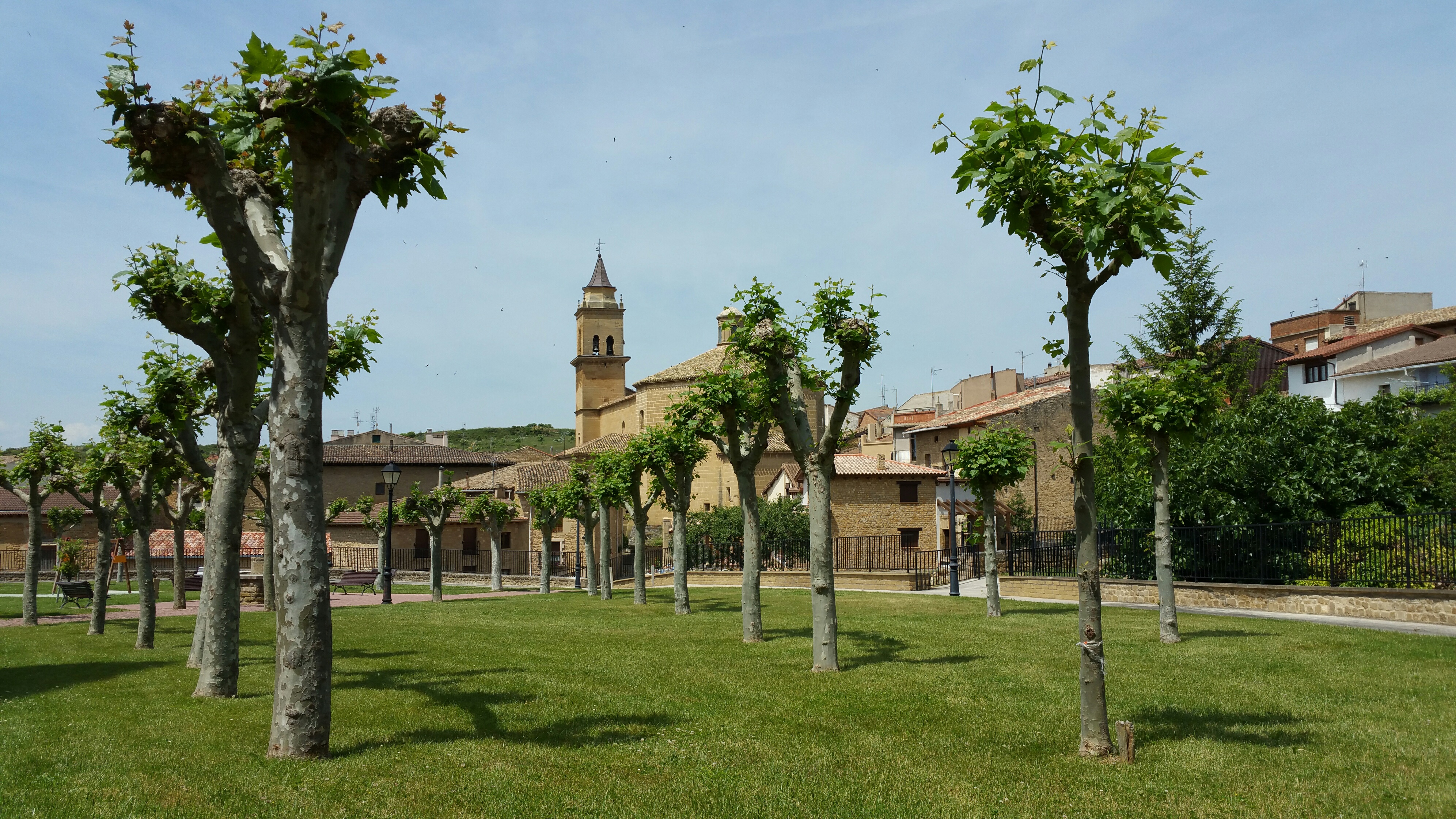
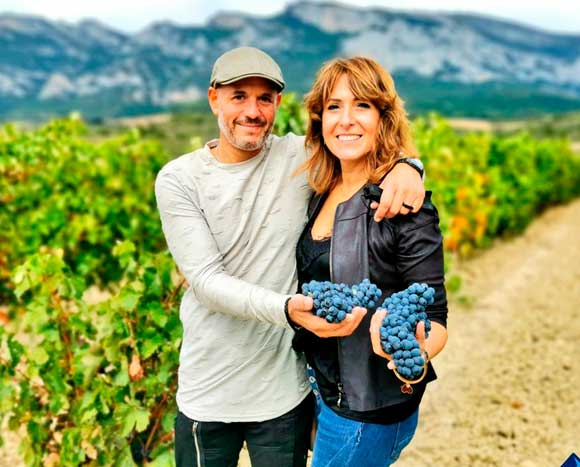
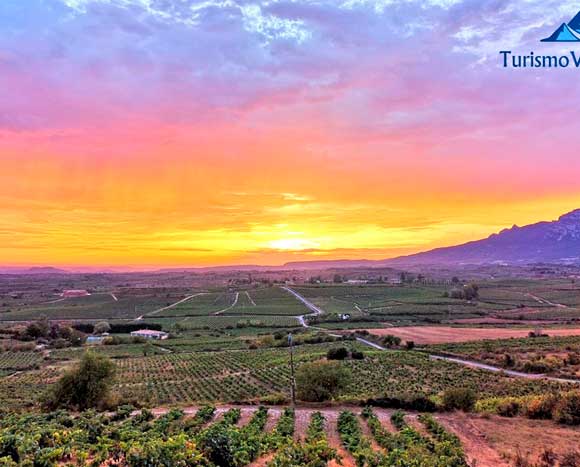
The Arrolan group, producer of Basque oil with EuskoLabel, not only produces oil, but also shows us the charms of the land where it is produced. Lanciego, Lantziego in Basque, is located in the south of Alava / Araba, Rioja Alavesa, on the border with the Autonomous Community of La Rioja. A village rich in oil and wine that is protected by thousands of vines of wine and olive trees, a film environment. Lanciego is located on a plain at the foot of the Sierra de Cantabria, a mountain range from which you can see the entire territory of Rioja Alavesa.

Information about Lanciego.
- Number of inhabitants: 696
- Surface area: 24.2 square kilometers.
- Origin: Around 1257, it belonged to the great kingdom of Navarre.
- Description of the coat of arms: “In a field of gules, a silver sword and a gold palm, placed in a cross or sotuer, surmounted by an oak tree, outlined in silver. As a bell it will bear the ducal crown.”
- Location:
This municipality of Alava, obtained the title of town in 1630, and although it has gone through bad times, today it is reborn again, it has a slight increase in birth rate, and the wine and oil are two tourist attractions and two constants of the Basque gastronomy. The coats of arms, the massive wooden doors, the small palaces and the subway caves of Lanciego made us fall in love while its oil and wine enchanted us, all this, enlivened with the words of Eva Iñiguez (Arrolan), our guide. This land of oil and wine, keeps in its interior stories and places that are well worth a visit, do you know it? Lanciego is waiting for you.
What to see in Lanciego, guided tour.
The meeting point with Eva Iñiguez, responsible for Arrolan in Lanciego, was the square “koartel Plaza” and its bar Amestoy, a quiet place from where we started the route through the most emblematic spaces of this village in Alava. Let’s start.

Trujal de Lanciego: Walking, returning along the road we had used to get to Lanciego, we found one of the last and oldest Trujales (olive press, oil mill) of Rioja Alavesa, a very special trujal in which, once a year the past times are recalled by elaborating a small part of oil production through the traditional procedure (in an artisanal way), an elaboration in which the whole village is part of.

The olive press, now owned by the town council, was once owned by the Alvarez de Eulate family, who donated the building to the town of Lanciego in 1913. Thanks to this, today we can enjoy the oldest Trujal in the Basque Country and learn that, although wine is nowadays the most emblematic product of Rioja Alavesa, olive trees arrived in this land at the same time.

Due to the low yields obtained from olives, the balance was shifting towards vines and wine.
- 1 liter of wine = approximately 1.5 kg of grapes.
- 1 liter of extra virgin olive oil = 5 kg of olives approximately.
As you can see, the final productivity of wine is much higher than that of oil.

Traditional process of extra virgin olive oil production.
- The olives are harvested (Arroniz variety, the local variety in this case), without beating, selectively.
- Without letting time pass, keeping the olives fresh, they are crushed by two huge crushers called millstones, from which a first paste is obtained.

- The paste obtained is passed through a large circular stone (formerly propelled by water power, nowadays electric power), called a beater, to obtain a more homogeneous paste, a second paste.

- The paste is deposited on mats (formerly esparto grass sheets, nowadays made of more durable and hygienic synthetic material) and the paste obtained is pressed.

- The liquid obtained is decanted to separate the olive oil from the rest of the components.

- After pressing and decanting with water, it is pumped to the stainless steel tanks in the entrance storage area.

Thus, with a visit to the subway cellars of the Lanciego olive press, our visit to this temple of Basque olive oil came to an end.
Fountain, washing place and watering place: We continue bordering “la canal” (a small channel with waters coming from the lands below the Sierra de Cantabria), next to the square of D. Eustaquio Alvarez de Eulate, better known as the “Huerto del Fraile”, to know one of the most special spaces of the town, the set formed by the neoclassical fountain, the washing place and watering place, a space in which the 3 structures coexist and that very few times we have the opportunity to contemplate at the same time.

The town hall:Known as the palace of the Marquise of Armendariz, this 18th century building was partially renovated to house the Lanciego town hall. Its facade, its door, its eaves of the roof and its fretwork surprise at first sight. A place to enjoy and where we were fortunate enough to carry out our oil tasting. We recommend reading our article, Oil tasting in Rioja Alavesa.

Church: The local church, the church of Lanciego’s patron saints, San Acisclo and Santa Victoria, dates back to the 16th century, a church in which we can appreciate how one of its facades was used as a pediment, a church with a curious history, do you know it? No? Ask Eva.

Sebastián Iradier Salaberri: After this route, back to our starting point, we had the opportunity to contemplate the house of the great musician and composer Sebastián Iradier Salaberri, one of the illustrious sons of Lanciego, and one of the most internationally recognized. If you are not familiar with him, we recommend listening to his most international work La Habanera “La Paloma”.

Festival of Lanciego, Rioja Alavesa.
- November 17 in honor of its patron saints, San Acisclo and Santa Victoria.
- May 15 in honor of San Isidro.
- September 8, in honor of the Señora del Campo.

In addition to Eva’s route, we recommend you:
- Wander through the streets of Lanciego, enjoying a village with traditional stone structures.
- Dolmen “La Chabola de la Hechicera”: 10 minutes from Lanciego.

Wineries and vineyards, Trujal and olive trees form the landscapes that we can enjoy around the town of Lanciego. Enjoy the local varieties of vines (tempranillo, viura, garnacha or mazuelo) and olive trees (Arroniz), enjoy this incredible village of Alava, enjoy Lanciego.


0 Comments