




Table of Contents
Bergara, what to see and do in the city of Wolfram.
Bergara, a city located in the Gipuzkoa region of Debagoiena, has been historically speaking, one of the most prominent urban centers in the field of education. A city strategically located in the heart of Euskadi, less than 1 hour from the 3 provincial capitals of Euskadi(Bilbao, Donostia San Sebastian and Vitoria Gasteiz), is presented as a great unknown to many of the people who visit us. The medieval town center of Bergara has managed to preserve much of its layout intact. An example of this are the houses and palaces of the sixteenth and seventeenth centuries such as the palace of Egino Mallea, the Irizar palace or the Olaso tower. In addition to its historic center, Bergara also has other attractions such as nature or history. Did you know that in the Royal Seminary of Bergara wolfram was isolated for the first time? 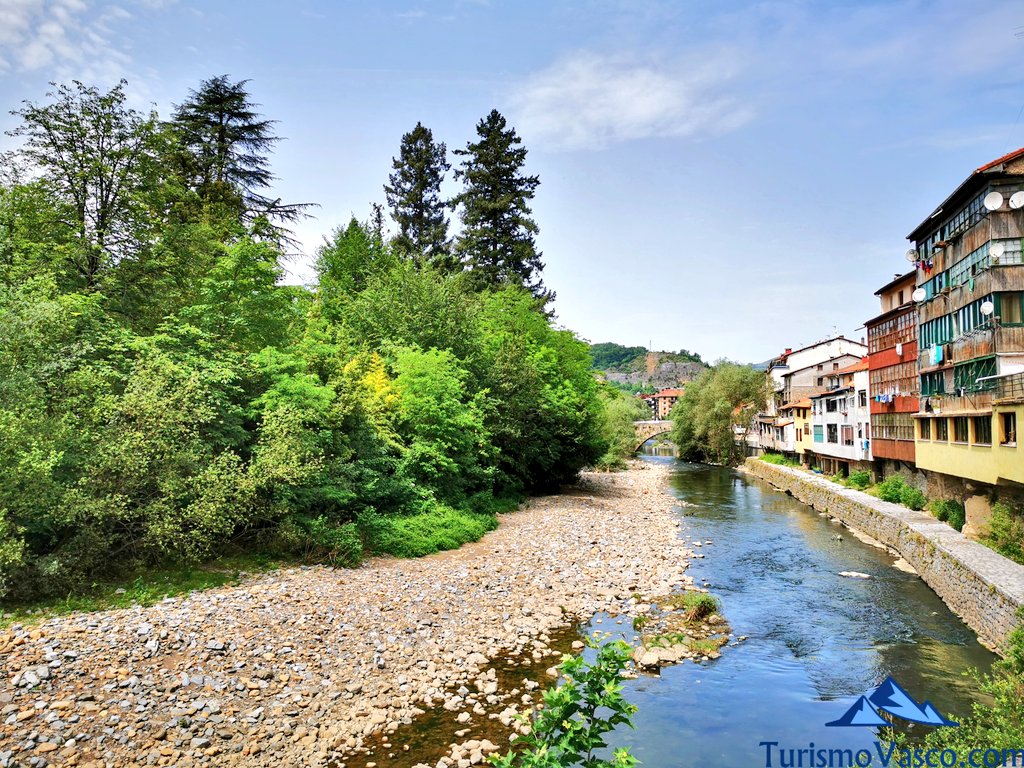
Information about Bergara.
- Online reservations: Here.
- Population: 14,500
- Attractions: Historical center, history and nature.
- Location: Bergara, Gipuzkoa, Euskadi.
Bergara has 5 events of great importance throughout the year: the festivities of Pentecost, the pilgrimage of San Marcial, the fair on Saturday, the fair of San Martin and the fair of Elosua. By the way, if you like sweets, we encourage you to taste “worfram goxoa”, a gastronomic souvenir that honors wolfram. 
What to see in Bergara.
In this section we have compiled some of the most emblematic and important spaces of Bergara. If you are thinking of planning a trip to Bergara, we encourage you to visit each of the spaces listed below. We hope you like them. We recommend you to start from the San Martín square, next to the town hall. 
Laboratorium MuseumSome of the most important objects of the Royal Seminary of Bergara are part of the permanent exhibition of this Basque museum. Scientific collections from the 18th and 19th centuries are treasures of chemistry, geology and physics. Currently, this museum is housed in the Errekalde Palace, surrounded by the old gardens of this 19th century building. This architectural structure was the residence of the director of the Royal Seminary of Bergara, the Count of Peñaflorida. 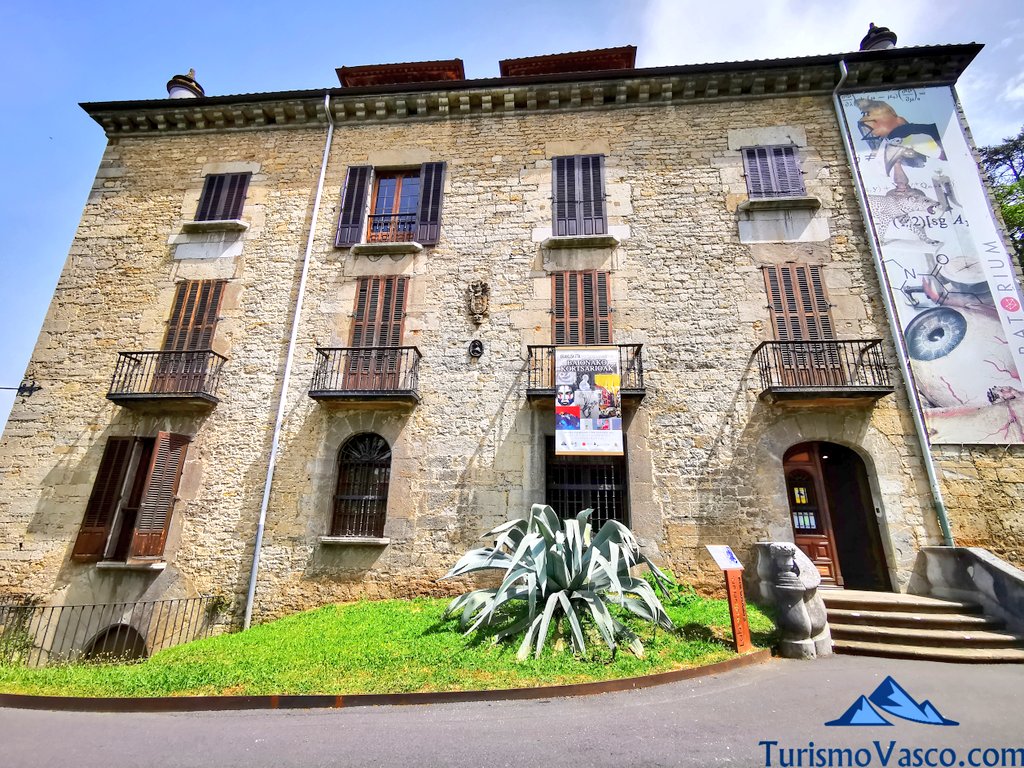
Church of San Pedro de AriznoaThis church is located in the same place where the town of Villanueva de Vergara was founded in the 13th century. Although the present church was built between the 15th century and 1620, we must say that it was built on the remains of a previous temple. The great tower of this church is, together with the main altarpiece, one of its greatest attractions. 
Olaso TowerThe Olaso Tower, also known as Reizabal or Monzón, is located next to the church of San Pedro de Ariznoa. This 16th century building is made up of 2 structures that currently house Jakiunde, the Academy of Sciences, Arts and Letters. 
Laureaga PalaceLaureaga Palace: This 16th century palace is located next to the Deba river basin. Although, unfortunately, the appearance that we observe nowadays is not the original one, since in the XVIII century it suffered a great reform. We must make special mention of the architectural ensemble that we find in this place, and is that next to the Laureaga Palace are the Zubieta bridge and the Usondo house, creating a place with a lot of charm. 
Egino Mallea PalaceAs its name indicates, this magnificent construction of 1585 was the residence of the Egino Mallea family. Its main facade stands out, in which the columns and balconies acquire special prominence. 
Memorial of the Bergara EmbraceThe Urrutia Espilla Palace, named after its owners, Ignacio Urrutia and Ana Espilla, was the site of the signing of the Bergara Agreement, an agreement that marked the end of the First Carlist War. Shortly afterwards it was acquired by the Irizar family, which is why this building is also known as the Irizar Palace. 
Aroztegi HouseThis house built in 1528 by order of Pedro Garcia de Aroztegi is located in the heart of the old town. Its main facade and its entrance arch are undoubtedly one of its main attractions. 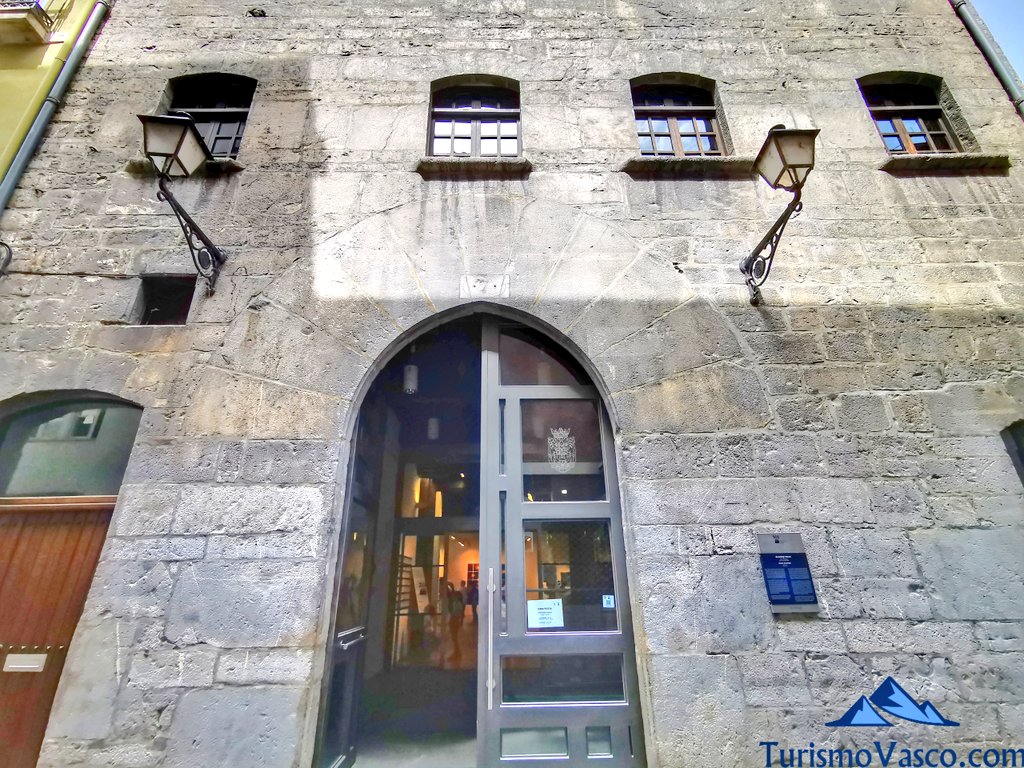
Royal Seminary of BergaraThe building that we contemplate in the San Martin square, in front of the town hall, is the school of the Society of Jesus. Over time, in the eighteenth century, the name was changed to the Royal Seminary of Bergara, one of the most outstanding spaces in Europe at that time in terms of studies and research. A great example of this was the isolation of wolfram by the Elhuyar brothers. In 1867 this building underwent a major renovation that gave it the appearance that we can see today. 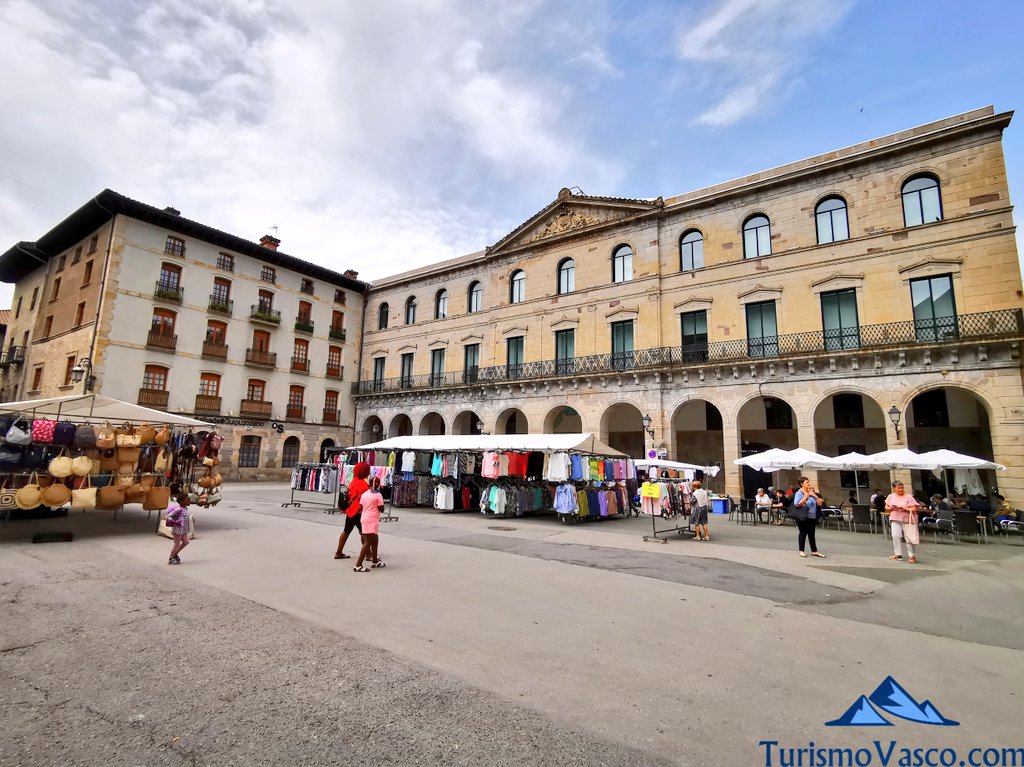
Arrese HouseThis construction of the XVI century is recognized in all Euskadi by several of its elements, but the visitor is usually surprised, mainly, by the balcony located in one of its corners, on the family coat of arms.
Ondartza HouseBuilt in the 16th century by Andres Martinez de Ondarza, trusted person of King Ferdinand the Catholic, Queen Joanna and Emperor Charles V. Located next to the town hall and the seminary, the main facade of this building attracts the attention of everyone who walks through the historic center. Its 2 arches, 2 coats of arms and the 10 balconies that decorate the facade leave no one indifferent. 
Jauregi HouseIf we look at the façade of the Jauregi house we can see that it has 3 different styles on the first floor, the second floor and the upper area. Although all of them have a certain importance and beauty, we recommend you to take a look at the second floor. It is a work of art from the year 1500 in which the relief gives life to different figures on a floral background. 
Although these are some of the most important and emblematic spaces of Bergara, they are not the only ones. If you want to know more in detail this urban center, we encourage you to know other spaces such as the path of the burial mounds, the town hall, the Zuloaga Bereterio House, the Hórreo de Agirre, the Ozaeta Palace, the Moiua Tower, the Gabiria Tower, the Azkarate Marutegi House and the church of Santa Marina. 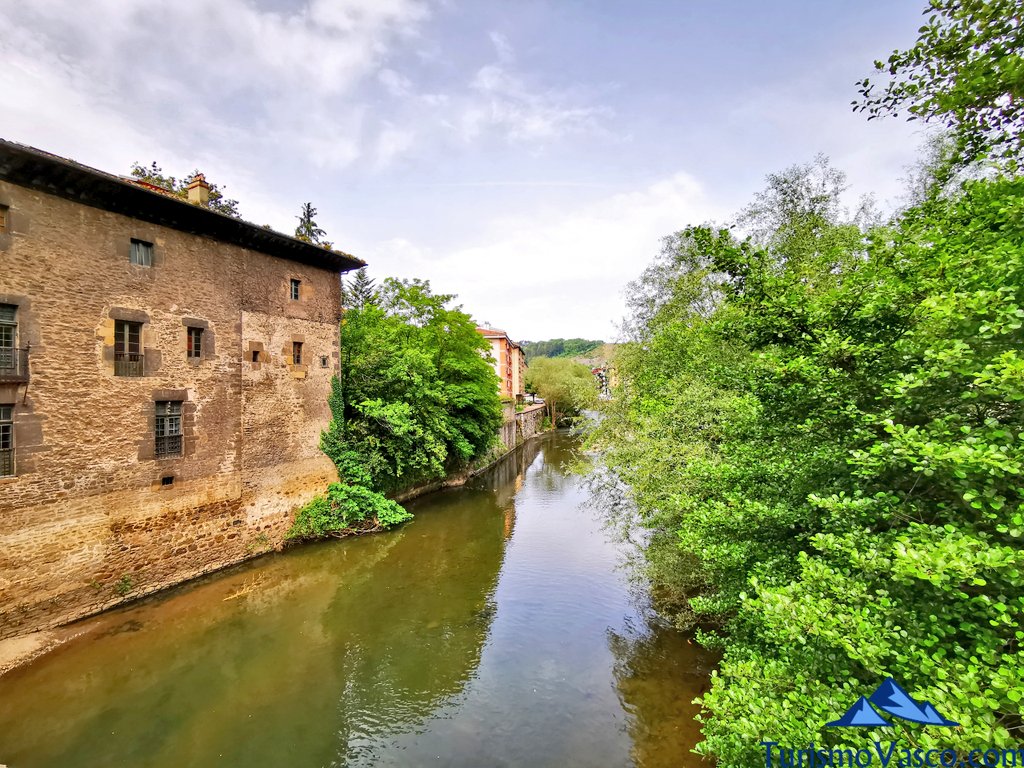
Video of Bergara.
As usual in all our publications, we wanted to create a short video about Bergara so you can discover what awaits you at your next destination. We hope it will be helpful. In case you like this kind of videos, we encourage you to subscribe to our YouTube channel so you can discover all the places and experiences that we recommend in the Basque Country. We are waiting for you!
Experiences in the Basque Country.
If you want to know all the experiences that we recommend in Euskadi, we encourage you to take a look at our reservation center. In this section you will find activities for all tastes and colors. We hope you find one that suits your needs and budget. We leave you a short list with some of the most demanded experiences in Euskadi.





What to see near Bergara.
If you want to enjoy some of the most beautiful spaces that exist in the vicinity of Bergara, we encourage you to value the possibility of visiting some of the places mentioned in the following list. We hope you like them!


History.
According to experts, Bergara and its surroundings have been inhabited since the Bronze Age. This is attested by the different dolmens and burial mounds found in the area. The very name of the urban center, Bergara, was mentioned for the first time in a deed from the year 1050. But it was not until 1268 when Alfonso X the Wise, after conquering Gipuzkoa by force, founded the town of Villanueva de Vergara. Since then, this urban center has undergone several annexations. Around the year 1490, the urban center was transformed with the expansion of the town and new ordinances to fight the fire that devoured the wooden houses. The market, the manufacture of weapons and the iron workshops made Bergara develop economically and socially. In 1629, the desannexation of Antzuola encouraged other neighborhoods to follow in its footsteps. Finally, there were no more de-annexations. In the XVIII century, Bergara began to stand out for the quality of its educational centers, moment in which the Sociedad Bascongada de Amigos del País (Bascongada Society of Friends of the Country) was created. During the 19th century the Carlist wars were the main protagonists, in fact, the embrace of Bergara was the act that marked the end of the first Carlist War. The industry also marked a before and after in Bergara. Especially the textile and metallurgical industry. In 1888, the arrival of the train connected the town with some of the most important areas of Euskadi. Another milestone in the history of this beautiful Basque town. 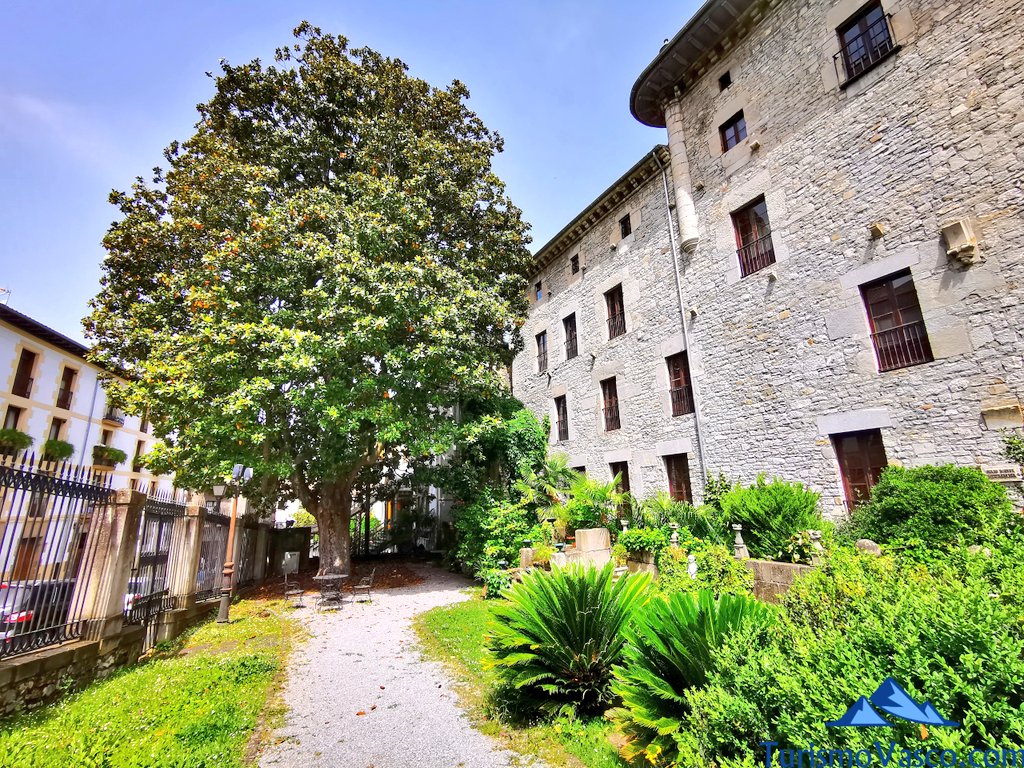
As you have seen, Bergara has a good number of places to see and enjoy. In case you have any questions about what to see in Bergara we encourage you to use the comment system that you will find below these lines to let us know. We will try to respond as soon as possible. Ondo pasa!


0 Comments