



Table of Contents
Learn about the historical and cultural evolution of the Basque people at the Basque Museum in Bilbao.
Located in the heart of Bilbao, next to the Miguel de Unamuno square, the Basque Museum shows the culture, traditions and history of the Basque people based on the most popular ways of life of our ancestors. This museum perfectly fulfills the objective of showing the historical and cultural evolution of Basque society, highlighting the characteristics that make all the territories that share our culture unique and singular.
Information of interest of the Basque Museum, Euskal Museoa.
Schedule:
- Weekdays: 10:00 to 19:00.
- Saturdays: 10:00 to 13.30 and 16:00 to 19:00.
- Sundays: 10:00 to 14:00.
- Tuesday closed.
Pricing:
- Individual ticket: 3 euros.
- Students and groups: 1.5 euros.
- School children and groups of more than 10 people: by appointment only.
- Children under 12 years old and senior citizens: free of charge.
The Basque Museum is perfectly suited for people with reduced mobility.

Basque Museum façade
History of the Basque Museum, Euskal Museoa.
The Basque Museum opened its doors for the first time in 1921 under the name of Archaeological Museum of Biscay and Basque Ethnographic Museum. Today, the Basque Museum occupies the former San Andrés church and school, a 17th century baroque style building that belonged to the Jesuit order of the Society of Jesus (Jesuits), in the heart of the old quarter of Bilbao.

Basque Museum, Euskal Museoa
This Museum has a collection of more than 20,000 objects, a figure that helps to understand the breadth and richness of our history and culture. The permanent collection of the Basque Museum, has its origin between 1917 and 1921, years in which began the collection of objects from public and private entities, although we must mention the great contribution that was the donation of objects by individuals, contributions that today are still given.
Although most of the elements that we can observe in the Basque Museum come from the historical territory of Bizkaia, the collection does not lack elements from all over the Basque Country, including Navarre and the French Basque Country. In fact, the first 4 objects registered in the Basque Museum originated from the Navarrese valley of Baztan, an infinite source of culture, history and traditions of the Basque people.
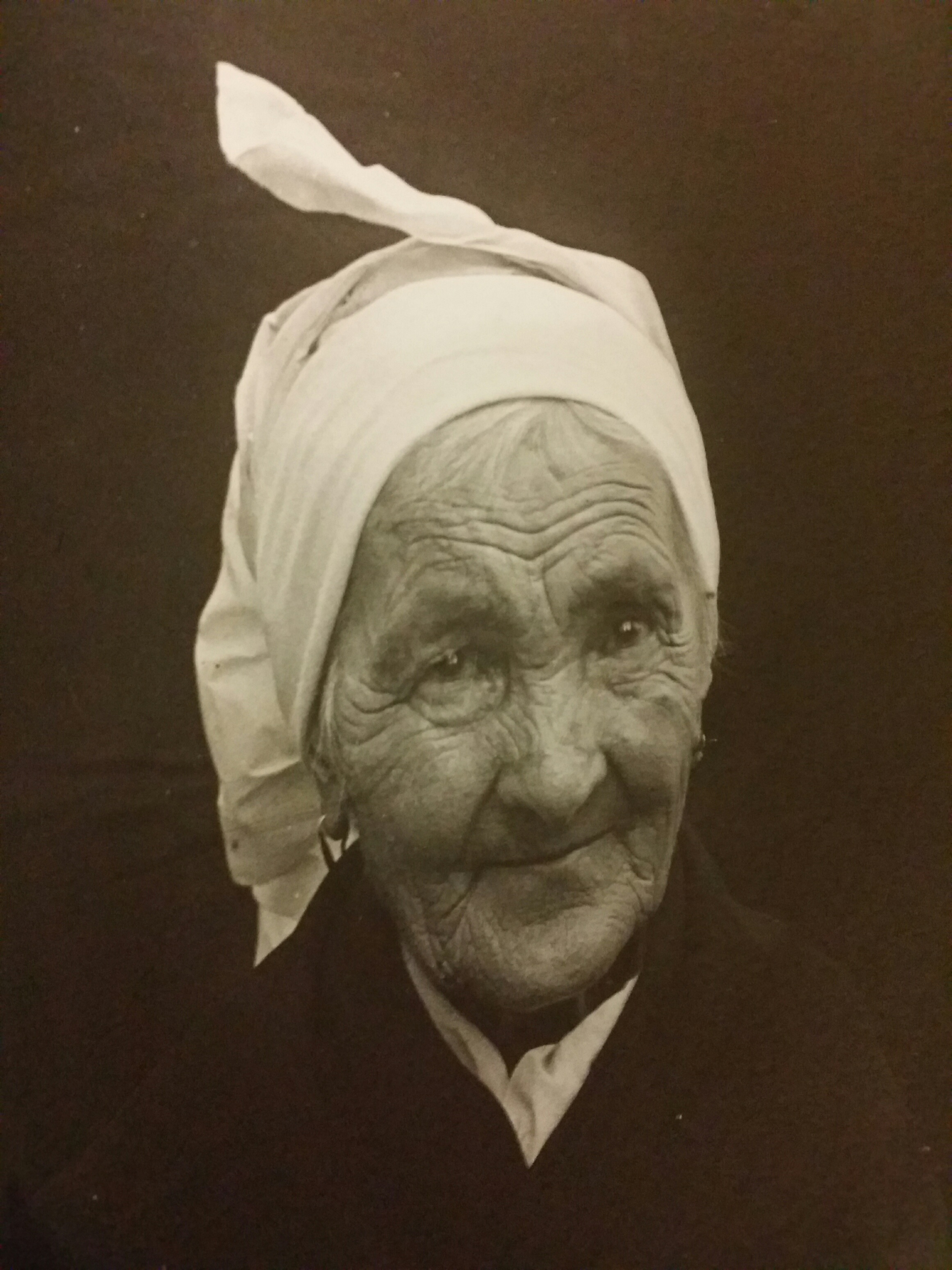
Portrait of a lady friend at the Basque Museum
At present, the Basque Museum of Bilbao is divided into 5 main sections:
-
Mikeldi, and Kurutziaga Cruise.
-
Ethnography.
-
Ceramics and ironworks.
-
History.
-
Temporary exhibition.
Each and every one of the plants in the Basque Museum helps us to better understand the way of being of the Basque people, all of them of vital importance.
Mikeldi, and Crucero de Kurutziaga (first floor).
On this floor we can find a set of sculptures of great historical and cultural importance represented by these two large pieces.
Mikeldi is one of the most important pieces from the Iron Age in the Basque Country. This piece, originally from Iurreta, Bizkaia, is made on a single block, in it, you can clearly see an animal protecting between its legs a large disc. The history and interpretation of the Mikeldi is not entirely clear, it seems that this great sculpture remained in the hermitage of San Vicente de Mikeldi from 1864 to 1920, year in which it was transferred to the Basque Museum.
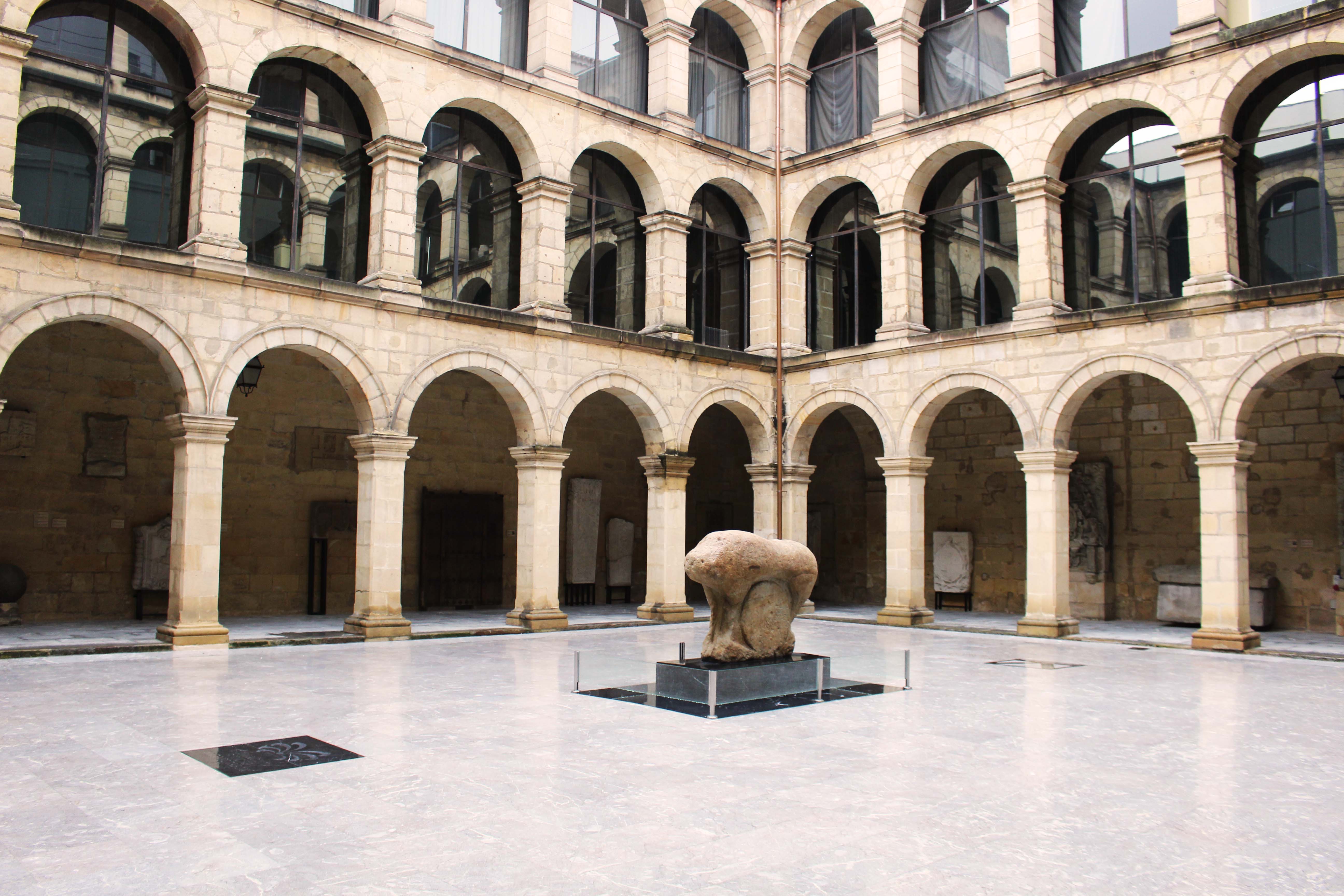
The interpretation of the experts has been very varied, finding all kinds of hypotheses about its use. The strongest interpretations are those that place it as a boundary marker, road marker or pasture sign, although we also find other hypotheses of a magical nature, as a protector of livestock or as an insurer of reproduction. This type of zoomorphic sculptures of the II Iron Age were very important in the Meseta (present provinces of Zamora, Salamanca, Ávila, Segovia, Cáceres, Toledo, Ourense, Pontevedra and the Portuguese regions of Tras-os-Montes and Beira Alta) since more than 300 examples of these characteristics have been found there.
The reproduction of the Kurutziaga Cross is another of the great works of the Basque Museum. This work perfectly reproduces the original Kurutziaga Cross located in the square of the same name in the town of Durango. Although the concrete time of its creation is unknown, it is thought that it dates from the middle of the 15th century. All investigations point to the fact that this historical monument represents sin and redemption, as a reminder of a historical event of great relevance known as the “Durango Heresy”.
Ethnography (First floor).
In our opinion one of the most complete and interesting floors of the Basque Museum. In it, we find 2 large areas around the shepherding and fishing in the Basque Country, 2 trades, which undoubtedly marked the way of being of an entire people.
Basque Country village of sea and mountains, village of baserritarras (villagers) and arrantzales (fishermen).
The pastoral culture of the Basque people is one of the most deeply rooted ways of life in our land. Always looking to nature and the sky, the geography and climate of the Basque Country has greatly influenced this way of life, creating an environment of hard work in the winter months.
In the Basque Museum we have the opportunity to learn about the work, customs, utensils, pets, sheep breeds of the Basque Shepherd and a long etcetera, in short, any space or tradition originated around this profession.

Shepherding utensils at the Basque Museum
Many tasks that the Basque Shepherd used to carry out in order to subsist on a daily basis are today part of our culture, history and traditions. The clearest examples are musical instruments and rural sports derived from shepherding, as well as cheese, an indispensable part of our gastronomy.
A way of life that has centuries of tradition behind it, a trade that is still very present today in our mountains.
The Sea of the Basques, the place where the little ones of the house grew up. A trade that has accompanied our people since the beginning of time. From the 14th century, when whale fishing was an occupation for many Basques, to the present day, when inshore and offshore fishing still represents a high economic yield in certain fishing villages along our coast, fishing is and will always be part of our culture and history.
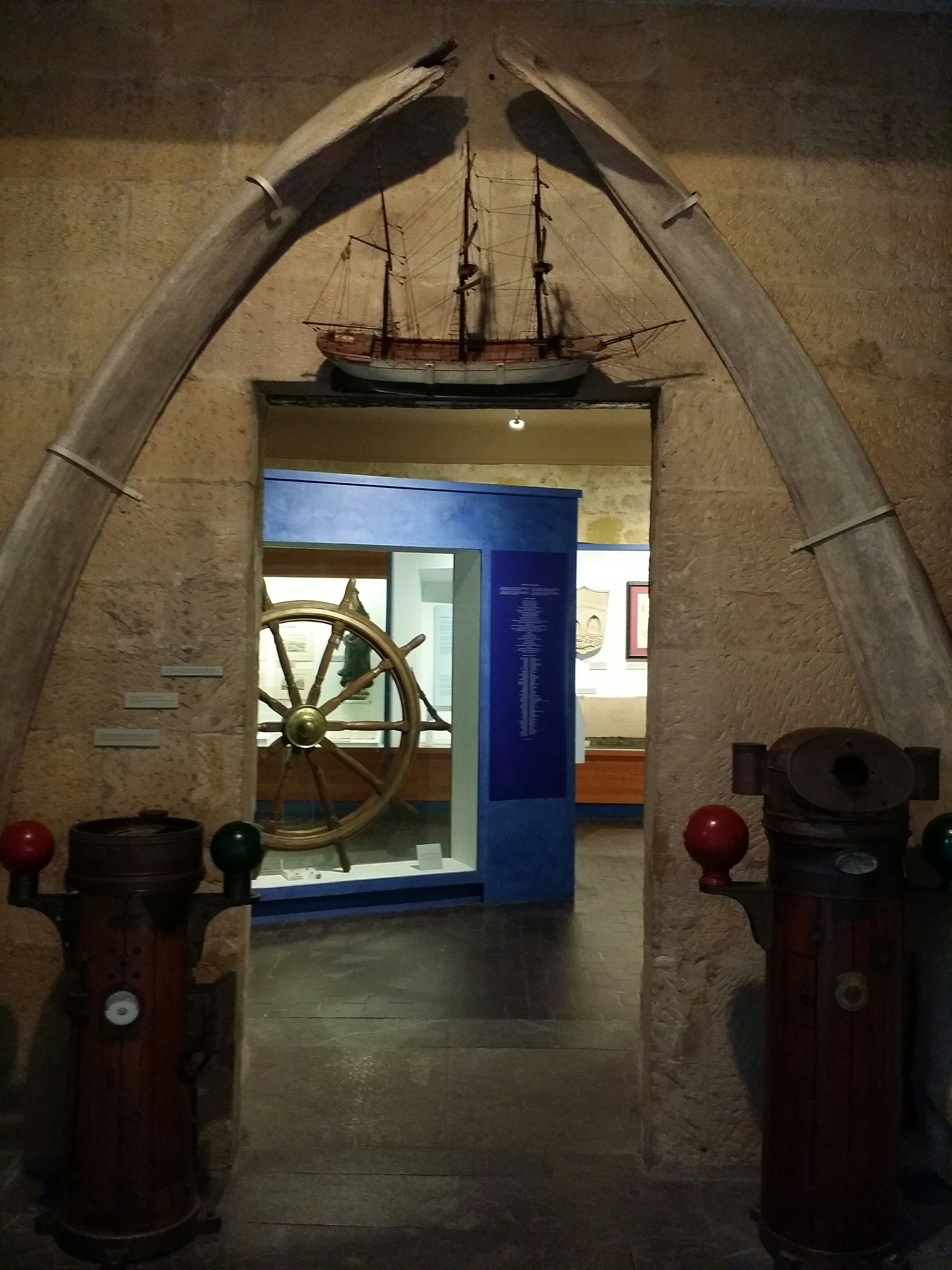
Exhibition the sea of the Basques
Along with fishing, shipbuilding played a special role in the development of our economy and society. Do you want to know everything about the Basque shepherd and fisherman? Don’t miss the second floor of the Basque Museum.
Ceramics and ironworks (second floor).
The exploitation of the mines, the extraction of minerals and their manipulation has been a constant in the Basque Country, witness to this are the mines of Arditurri or the Mining Museum of the Basque Country among many others.
On the other hand, we find the Basque pottery, which although it did not suppose such a great impulse as the mining exploitations did, it is part of our legacy and we should not let it fall into oblivion.
The Basque ironworks are part of the most important sector of the Basque industry, the iron arm of the Basque industry, the iron and steel industry. The entire territory of the Basque Country was rich in minerals, left bank in Bizkaia, Peñas de Aia, Zerain, Mutiloa and Mondragon in Gipuzkoa, the northern part of Alava-Araba and the northwestern part of Navarre.

Ironworks in the Basque Museum
Basque folk pottery dates back to the Eneolithic, the period in which the samples found in the caves of Santimamiñe and Arenaza are dated. The golden age of the production of popular Basque ceramics took place at the end of the 16th century and the first half of the 19th century, a period in which the predominant colors were blue, green and brown.
History (Third floor).
On this third floor we found the history of the Basque people, although unfortunately we could see firsthand that the presence of Bizkaia on this floor was overwhelming, leaving almost out of place the rest of the territories of the Basque Country.
The model of Bizkaia, takes great prominence on this floor, a model that allows us to admire the entire province from a bird’s eye view, checking in a very visual way the situation of the major urban centers and rural areas. 18 meters long and 11 meters wide model that describes in detail this Basque province.

Model of Bizkaia in the Basque Museum
The trade of the Basque Country, in the middle of the 11th century, trade exploded in the west of Europe, and with it several urban centers of the Basque Country. The places that were at the crossroads and the coastal settlements were the most affected by this new phenomenon. This phenomenon turned what until then had been simple settlements into towns in which trade took on special interest.
Bilbao was undoubtedly the most important nucleus of this movement thanks to its geographical location, thus becoming the most important commercial port between the peninsula and northern Europe.
The Basque Museum or Euskal Museoa was declared an Asset of Cultural Interest in 1962, a museum that perfectly reflects many of the aspects of great importance in our cultural development. A museum that we recommend to visit and to which we have granted our exclusive accreditation “TurismoVasco Tiketa”.

Tourism AccreditationVasco Tiketa


0 Comments