




Walking the Camino de Santiago is an exciting and unforgettable adventure. Almost all those who have had the opportunity to live this experience would not hesitate to repeat it, regardless of the reasons that have motivated them. It goes beyond the consumption of nature, history, culture and sport at the same time: it is a journey into oneself that satisfies religious, spiritual or personal challenge concerns.
The Northern Way of St. James is not as popular as the French Way, although it was originally the main route of entry from the rest of Europe. Gradually this coastal and mountainous route gave way to the now popular French Way, which is more accessible and comfortable. It is true that the northern Jacobean route is more demanding than the previous one, but it is undoubtedly the one that offers the best views and in which there is an almost uninterrupted succession of natural spaces.
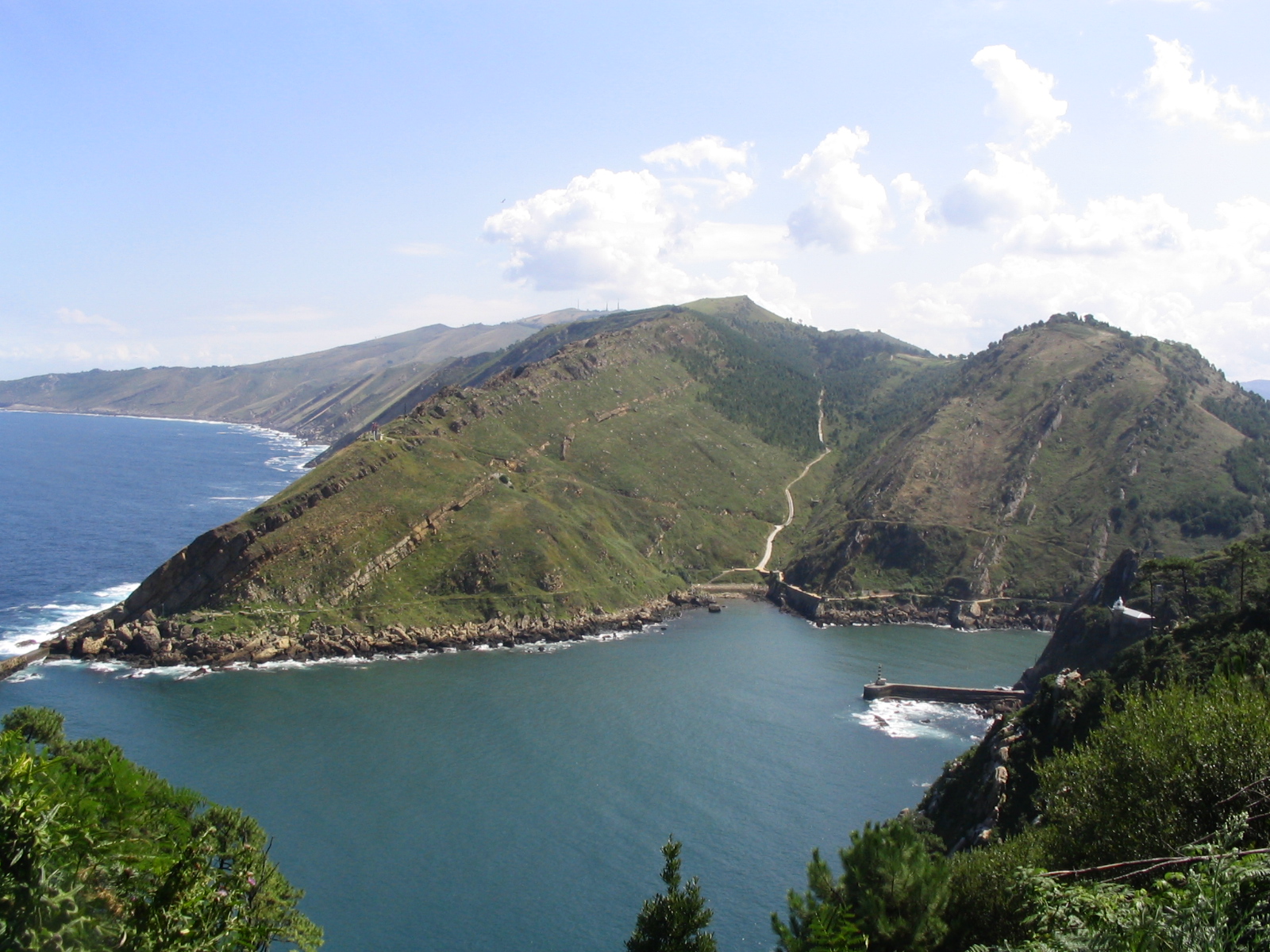
The proposed route is part of the first stage of the Camino del Norte in the peninsula. Part of the route that starts in Irun and arrives in Donostia-San Sebastian is made up of the Jaizkibel mountain, from Hondarribia to Pasaia. Jaizkibel is an unknown geological jewel but it does not go unnoticed as soon as it is intuited. The pilgrim can read, in the capricious formations produced by erosion, in the sandstone or in the configuration of its strata (Flysch), the more than 4,000 million years that the Earth has.
The most common route is the path that runs along the entire ridge, reaching 543 meters high, where you can see numerous defensive towers of the nineteenth century and megalithic monuments. Another possibility is the one offered by the route halfway up the slope of Jaizkibel, which is easier and more comfortable and also offers a beautiful view of the region and the bay of Pasaia, as well as being 100% cyclable.
Near the end of the summit both roads converge and the main path descends to Lezo, a town with a great Jacobean tradition that has a very well preserved historic center full of emblazoned houses. In the basilica of Santo Cristo de Lezo, from the 17th century, many of the pilgrims entrust themselves with great devotion to its image, the Santo Cristo imberbe, because of its well-known reputation for working miracles. On the wall to the left of the portico is a shell, symbol of the Camino de Santiago.
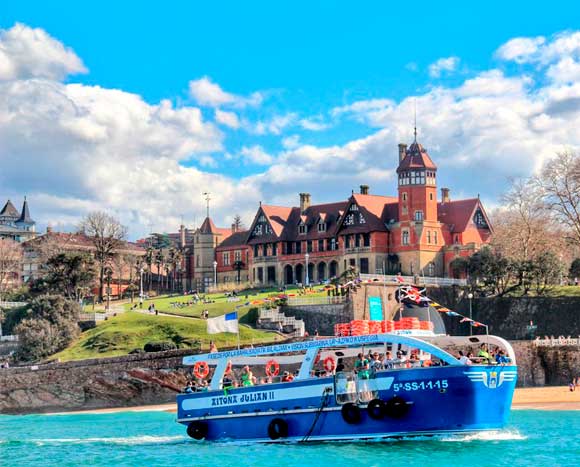
The road continues to the historic center of Pasai Donibane, consisting of a single street of manor houses built on the shore of the bay, most of them from the sixteenth to eighteenth centuries. It is of obligatory mention the Humilladero de la Piedad, of the XVI century, located next to the wharf and where the pilgrims stopped to pray. At this point, you cross the bay using the motorboat service to go to the district opposite: Pasai San Pedro and, through Mount Ulia, reach Donostia-San Sebastian. Its main street is also lined with stately homes, including the house where Admiral Blas de Lezo was born. Once the first slope of Mount Ulia is marked out, the monumental Faro de la Plata, dating from 1855, can be seen, as if embedded in the rock.


0 Comments